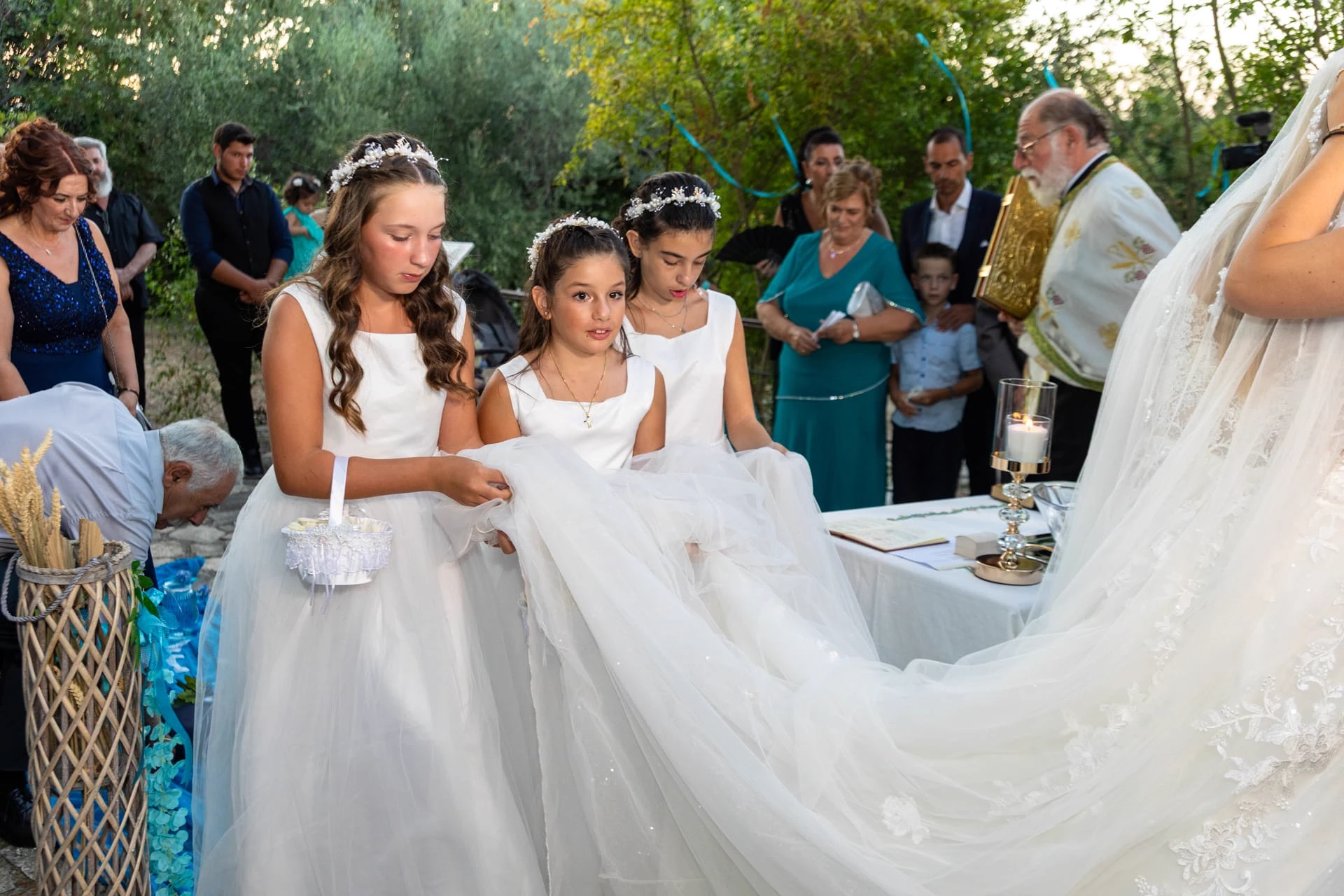
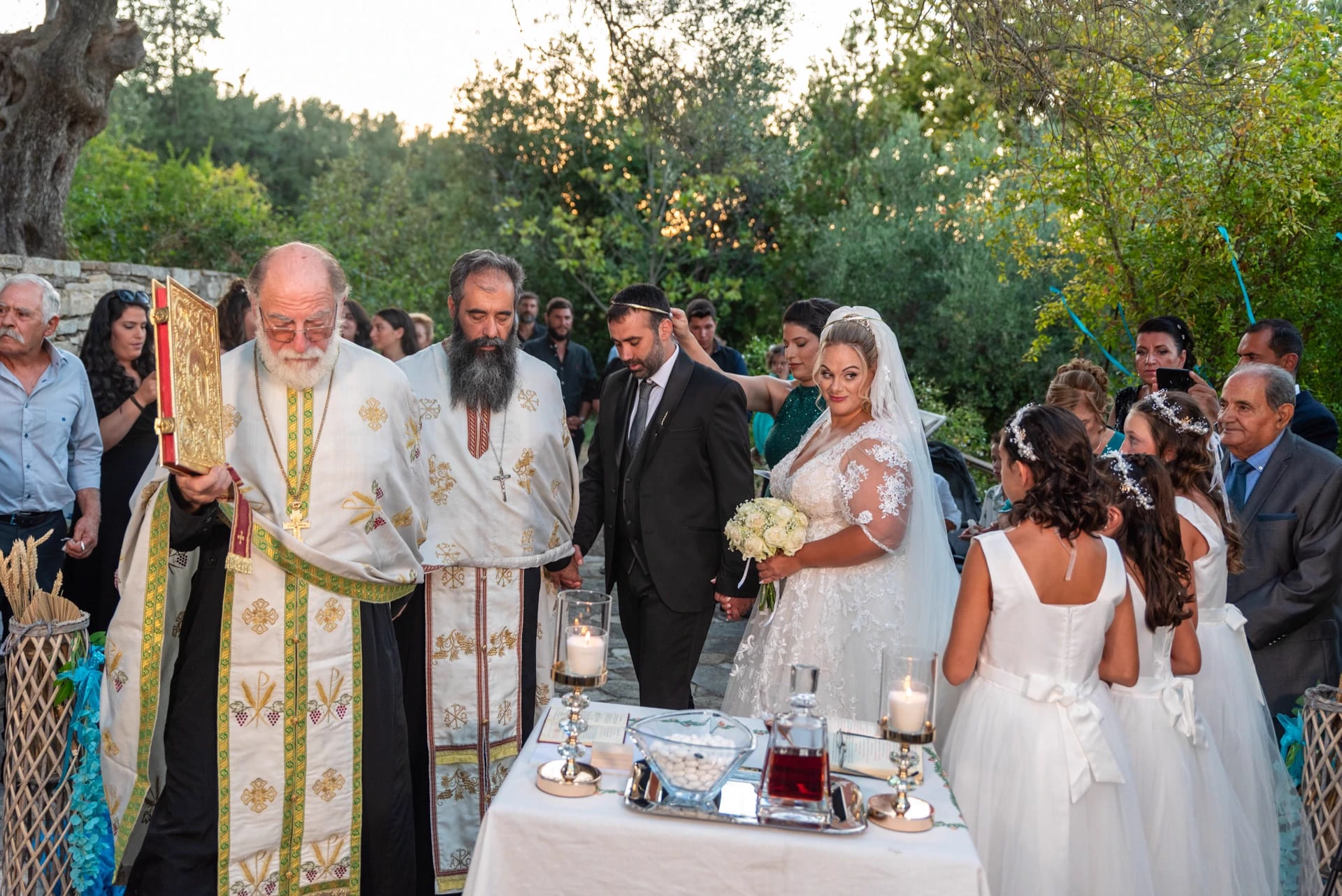
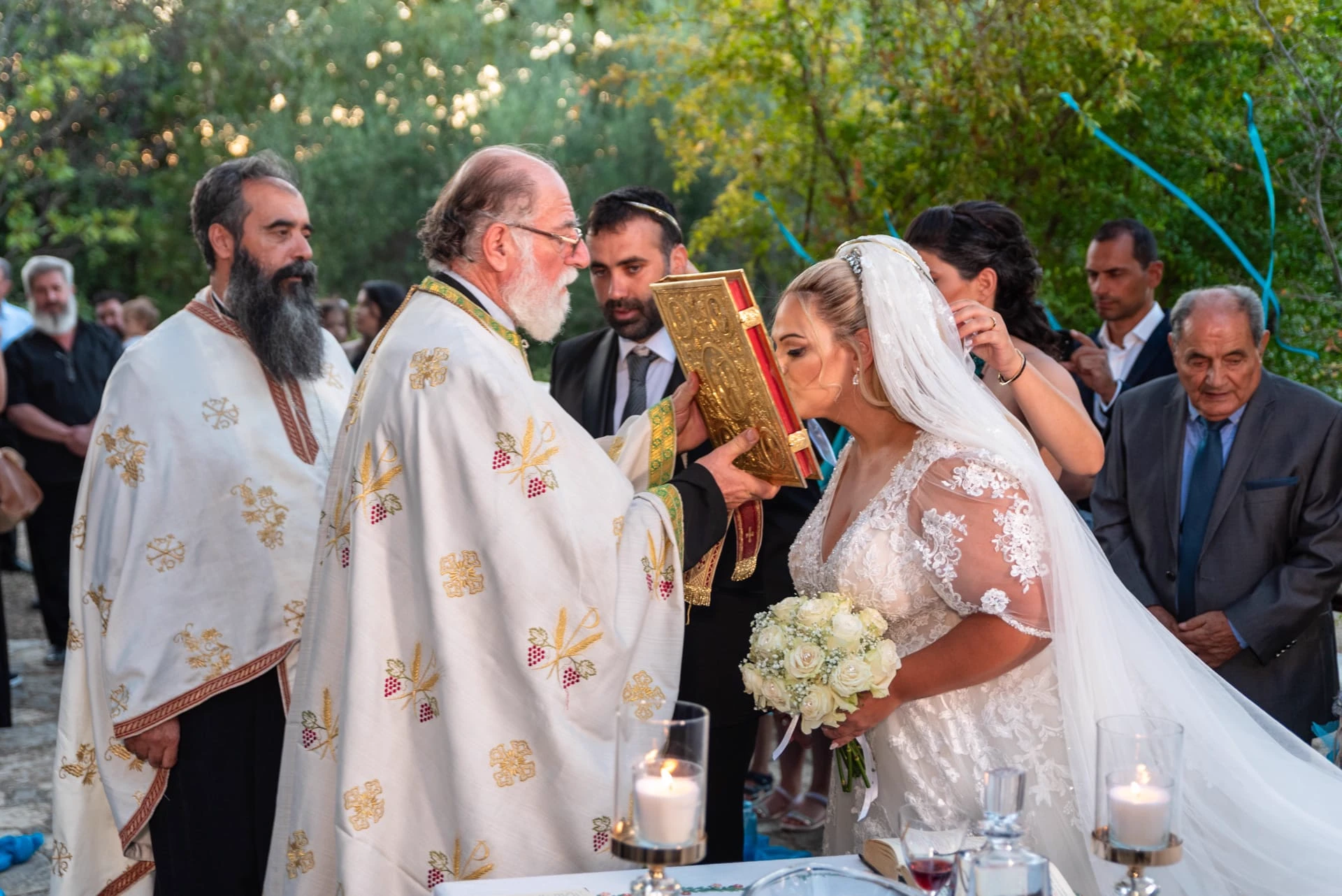
An authentic Cretan village wedding in Vafes, Apokoronas — from Anna’s family home and the Church of the Holy Asomatoi to Rizitika songs and a joyful celebration at Kontaros.
August 23, 2024 • Church of the Holy Asomatoi, Vafes, Apokoronas, Crete
Some weddings tell the story of a couple.
Others tell the story of an entire place.
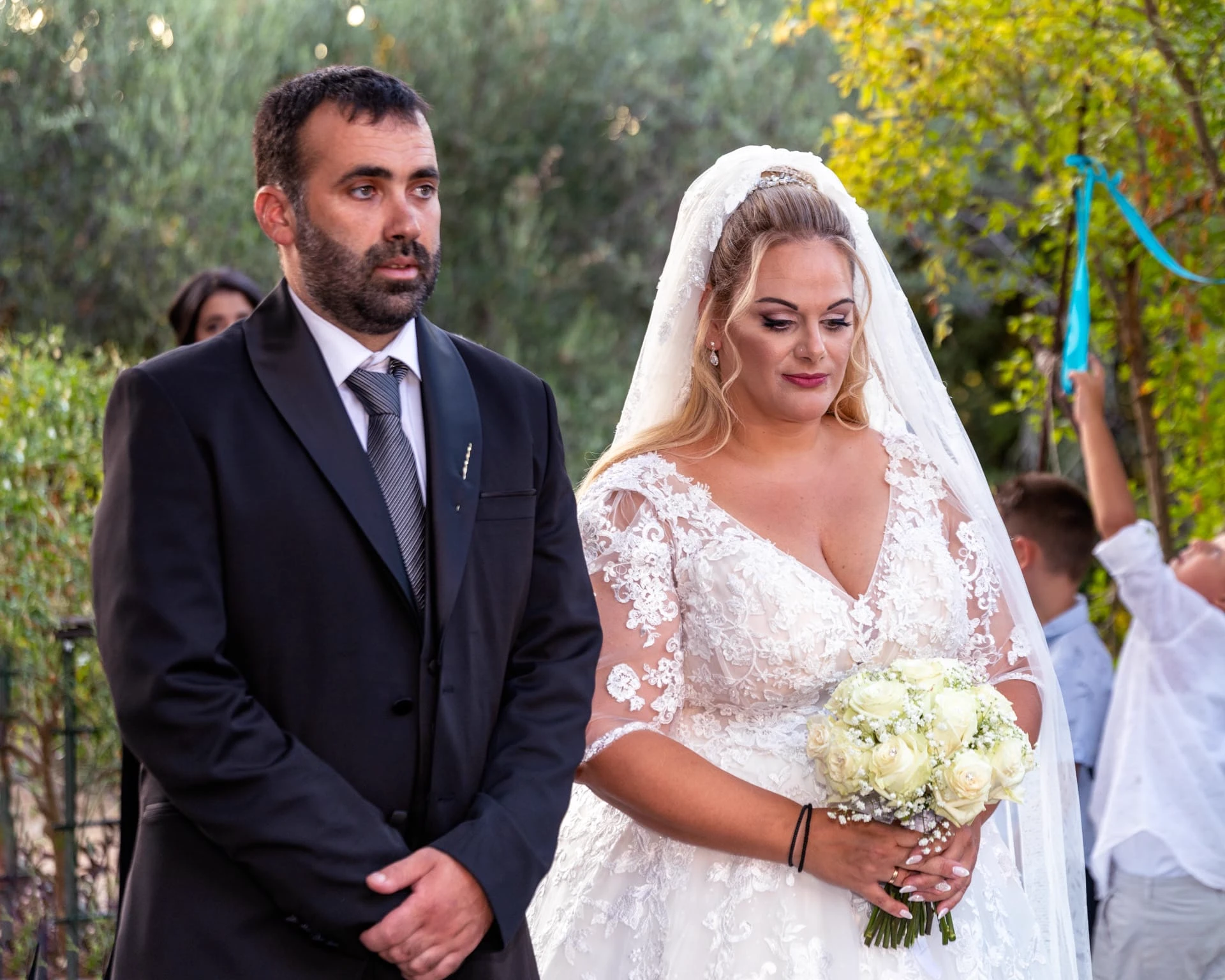
Anna and Aris’ wedding was one of those rare celebrations where the couple, the village and the traditions became part of the same story.
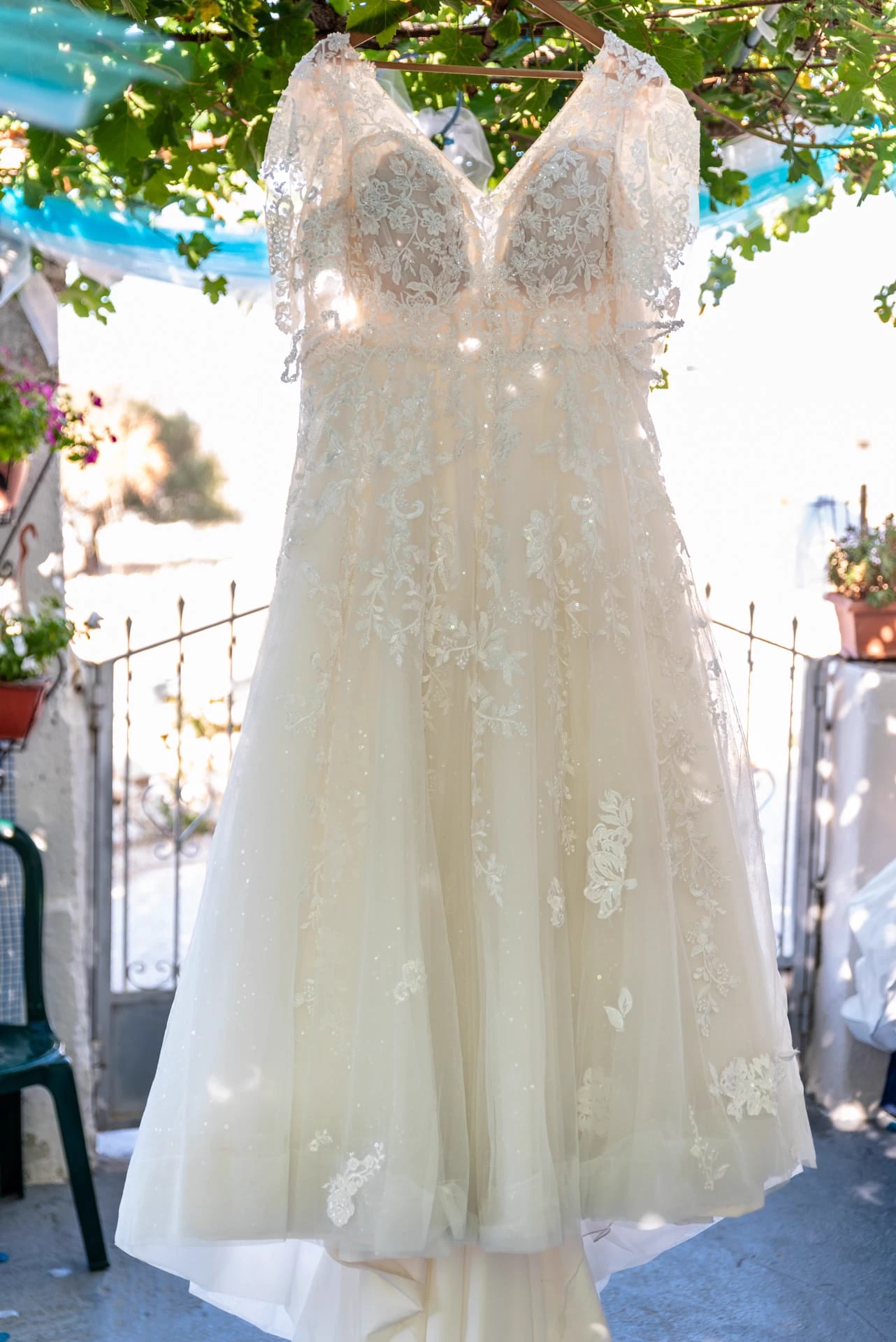
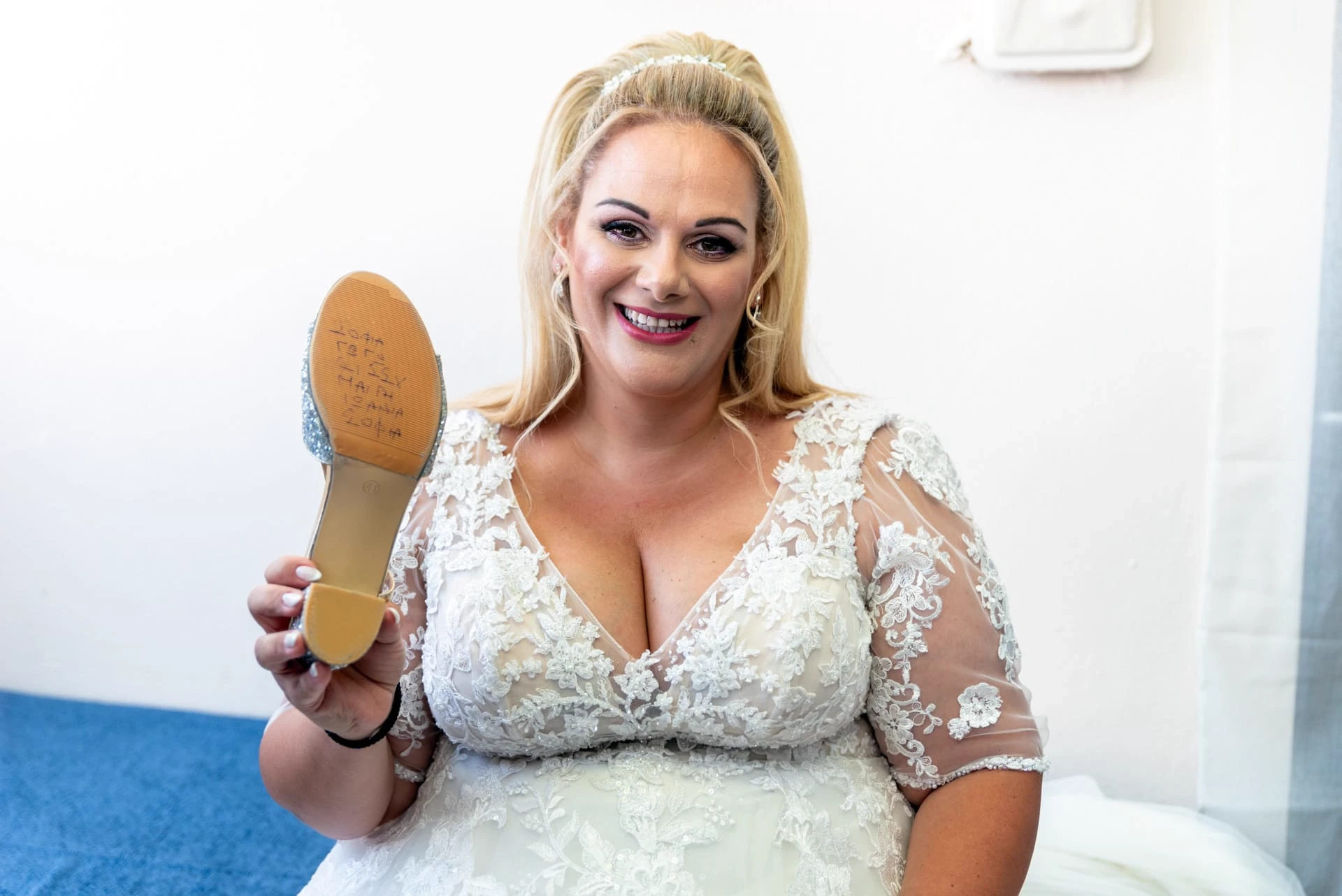
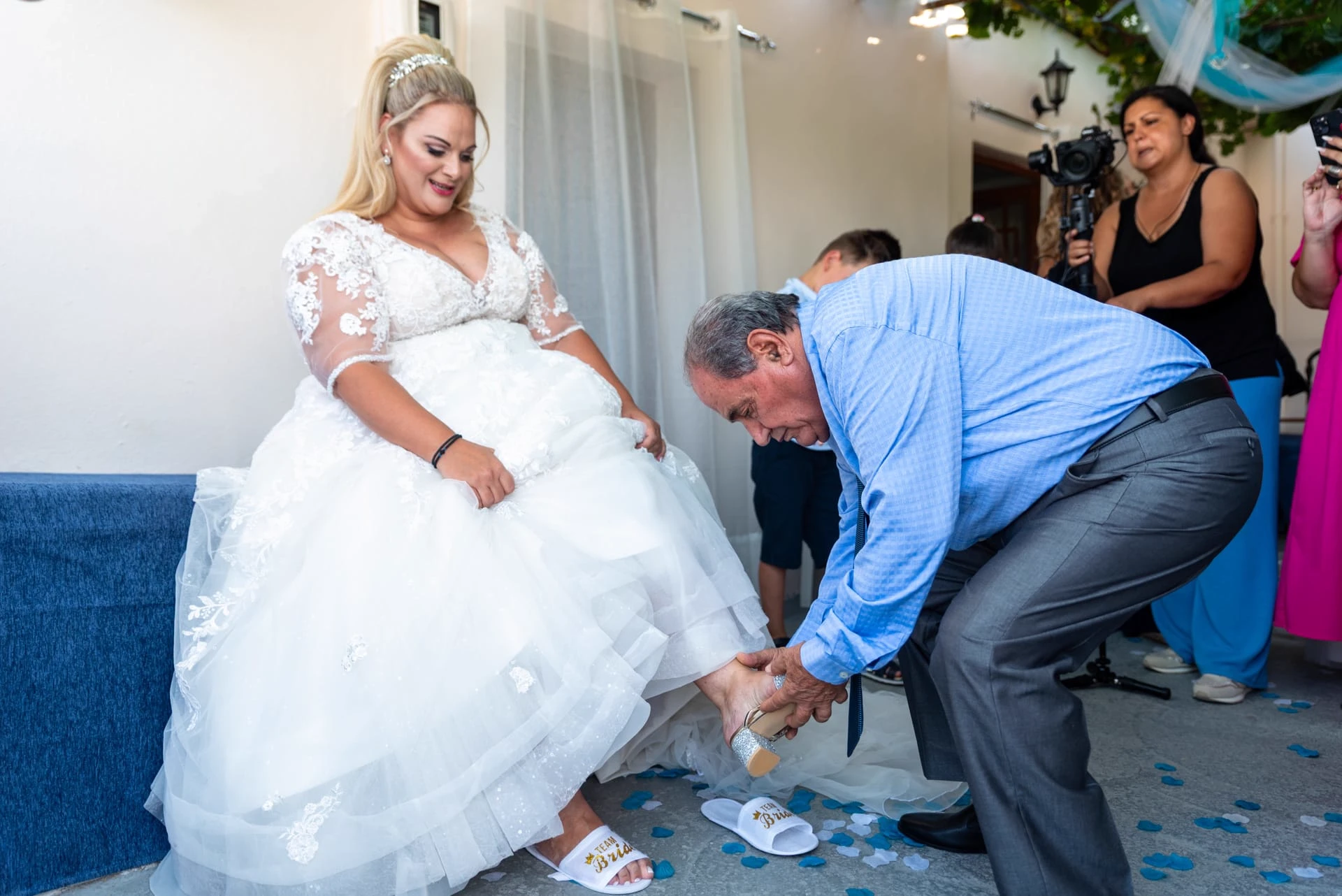
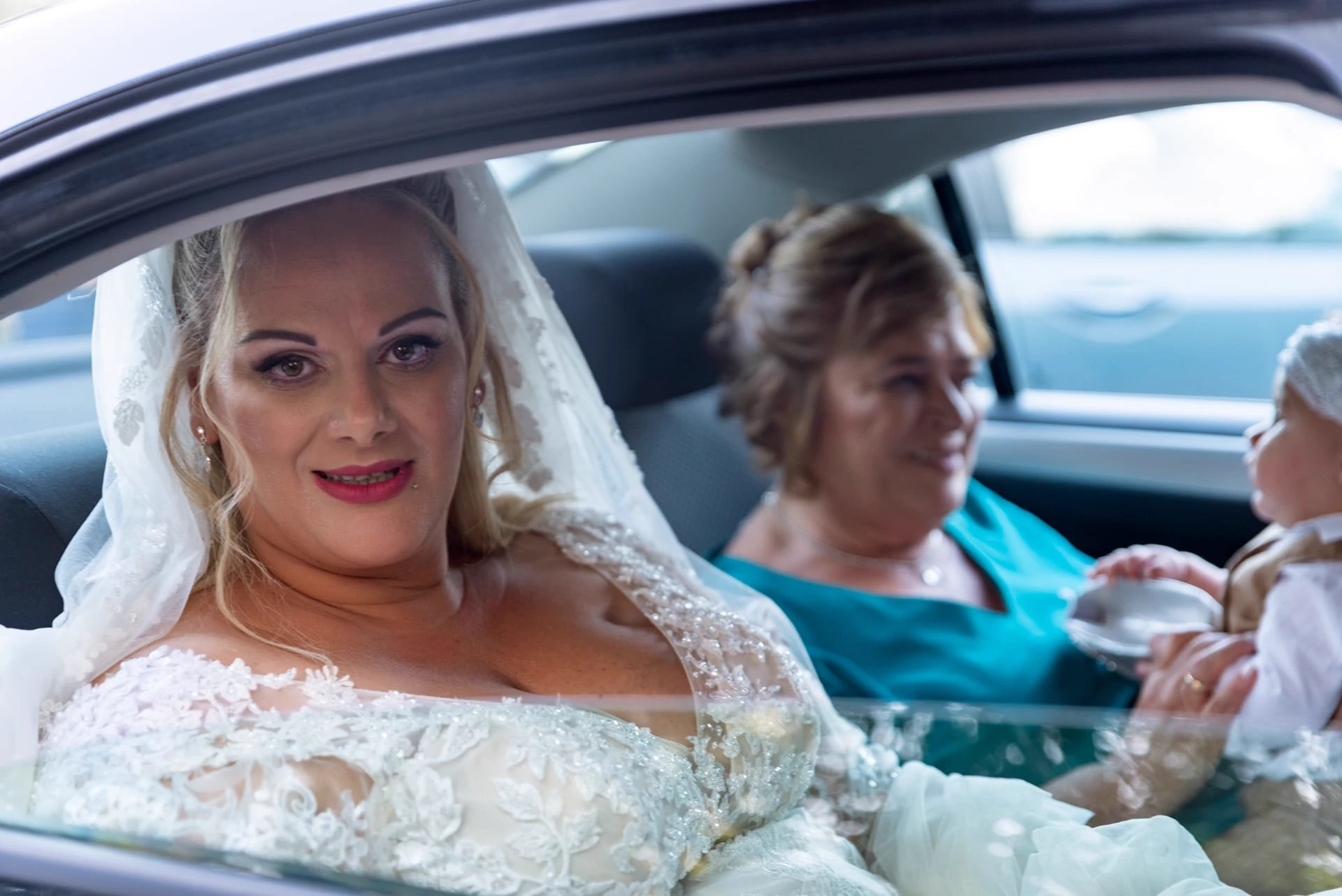
Their day began in Vafes, a historic village in the heart of Apokoronas, where Anna got ready in her family home, surrounded by the people and memories that had shaped her life long before the wedding day arrived. It wasn’t simply a beautiful location—it was home.
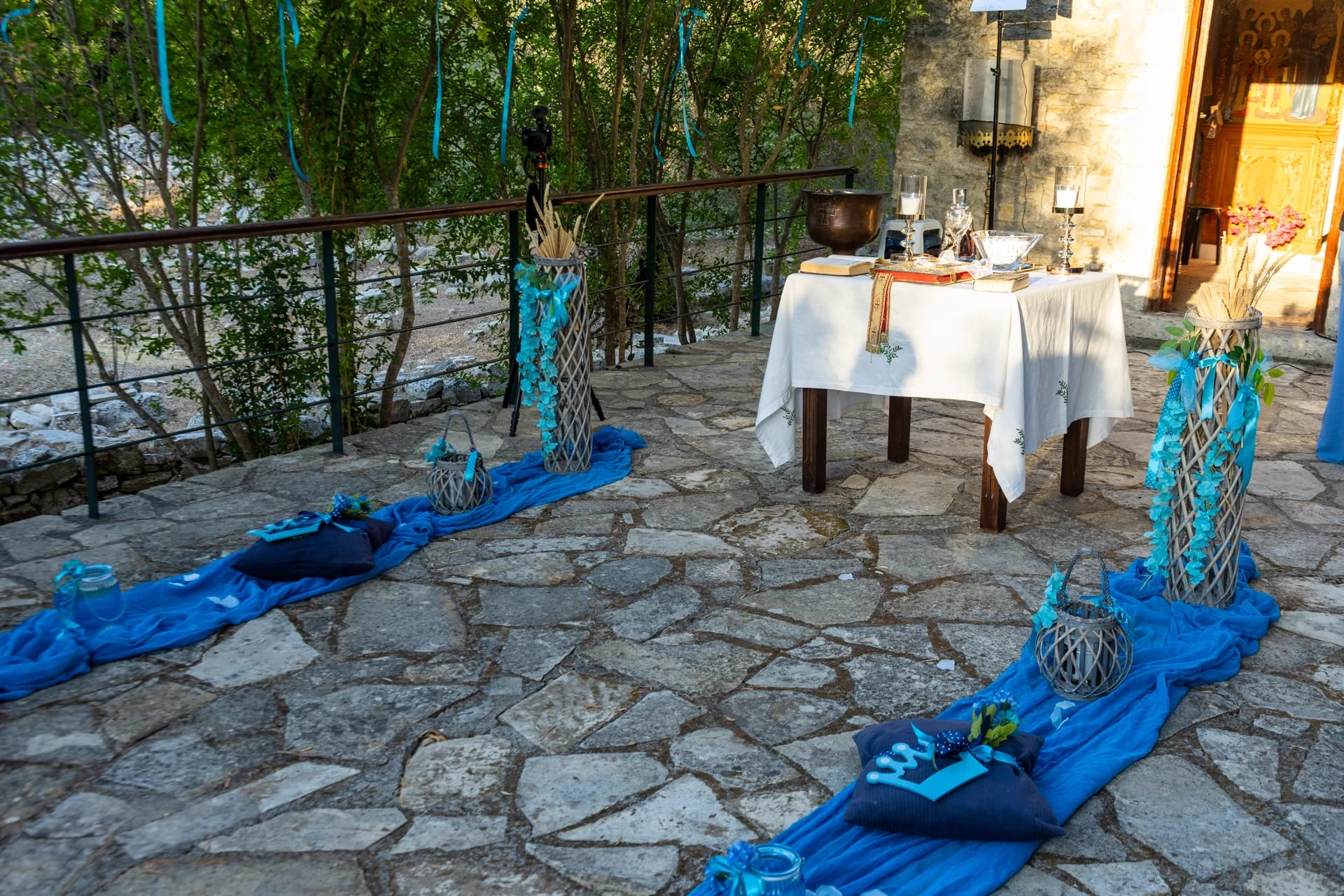
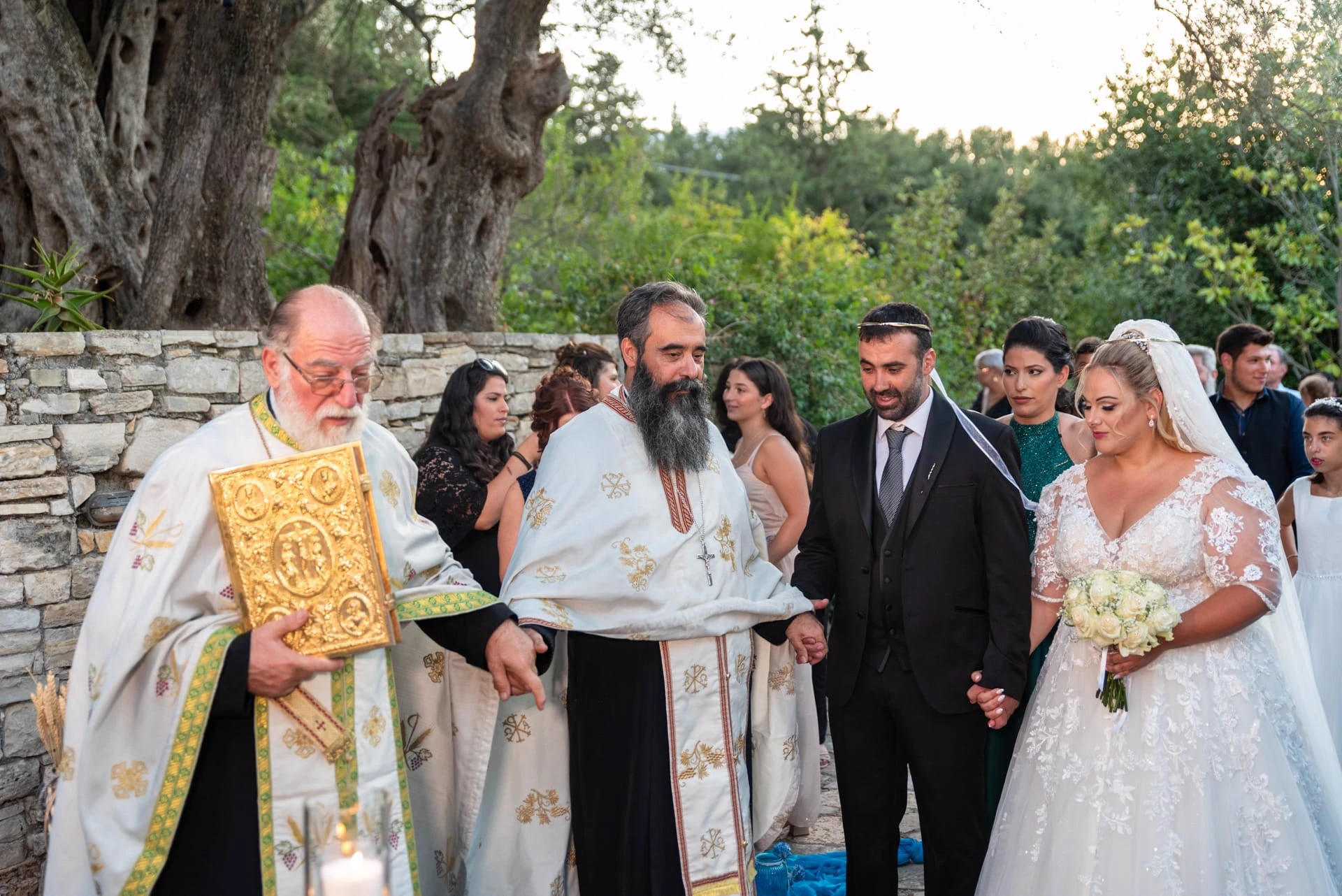
Just a short walk away, the ceremony took place at the Church of the Holy Asomatoi, a small stone church embraced by nature. Hidden among the trees and the quiet landscape of Apokoronas, it offered a setting that felt peaceful, timeless and deeply connected to the traditions of Crete.
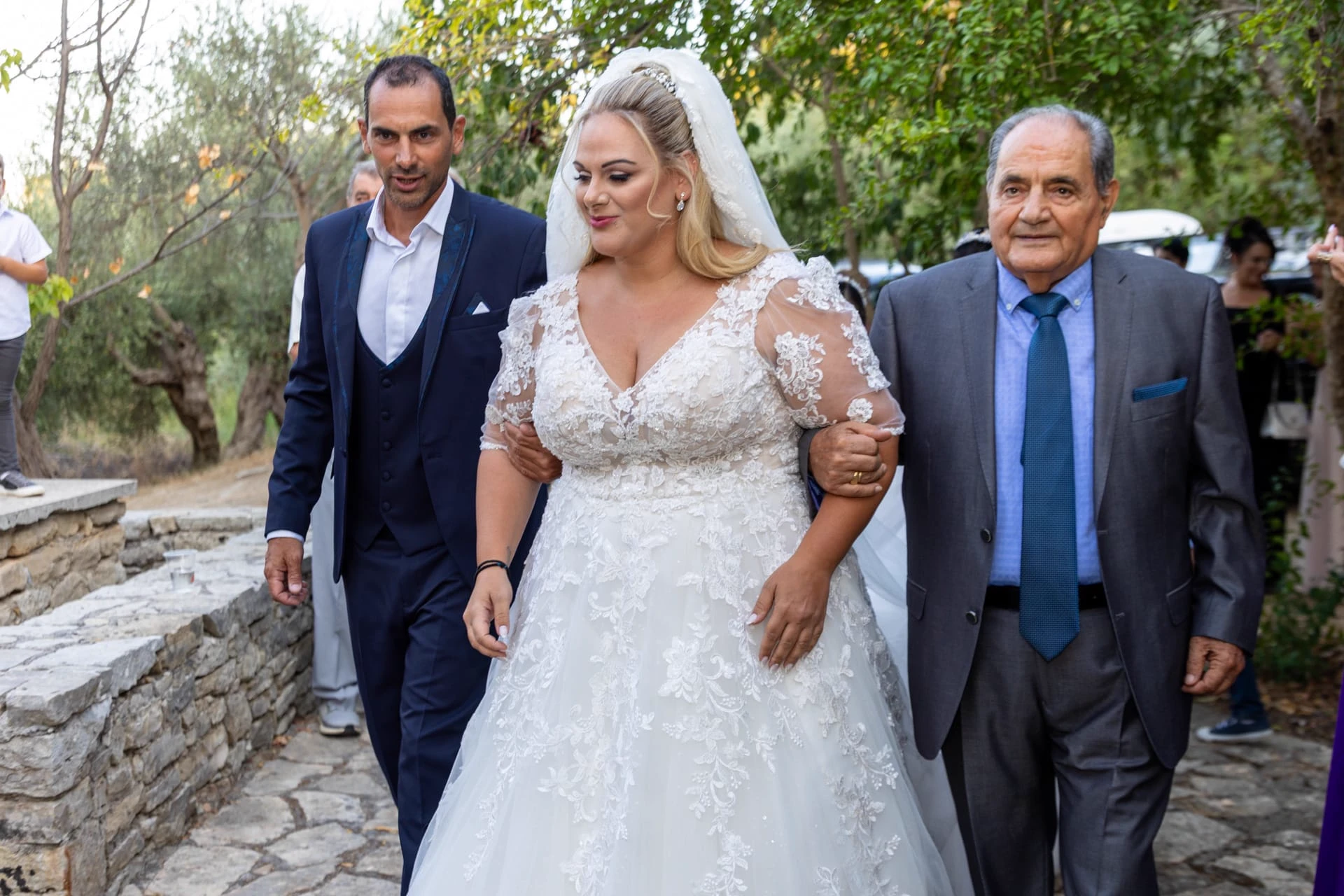
But what made this wedding truly unforgettable wasn’t only the setting. It was the way local customs naturally became part of the celebration. As the koumbara made her way through the village, she was accompanied by well over a hundred men, following a tradition that has been preserved in Vafes for generations. Later, the sound of rizitika songs filled the air, reminding everyone that this wasn’t simply a wedding taking place in Crete—it was a wedding that truly belonged to Crete.
The celebration continued at Kontaros Reception Hall, where Cretan music, family, dancing and genuine hospitality carried the atmosphere late into the evening. There was no sense of performance or spectacle. Everything felt authentic, shaped by people who were celebrating not only a marriage, but their shared history, community and culture.
Looking back, Anna and Aris’ wedding wasn’t defined by elaborate decorations or grand gestures. It was defined by something far more meaningful: the feeling of being part of a place where traditions are still lived, not simply remembered.
The wedding day began where so many meaningful stories begin — at home.
Anna spent the morning in her family house in Vafes, the same place where she grew up, surrounded by family, familiar faces and the quiet excitement that fills a home before a wedding. There was no rush and no sense of spectacle. Every room carried memories, making the preparations feel deeply personal long before the ceremony even began.
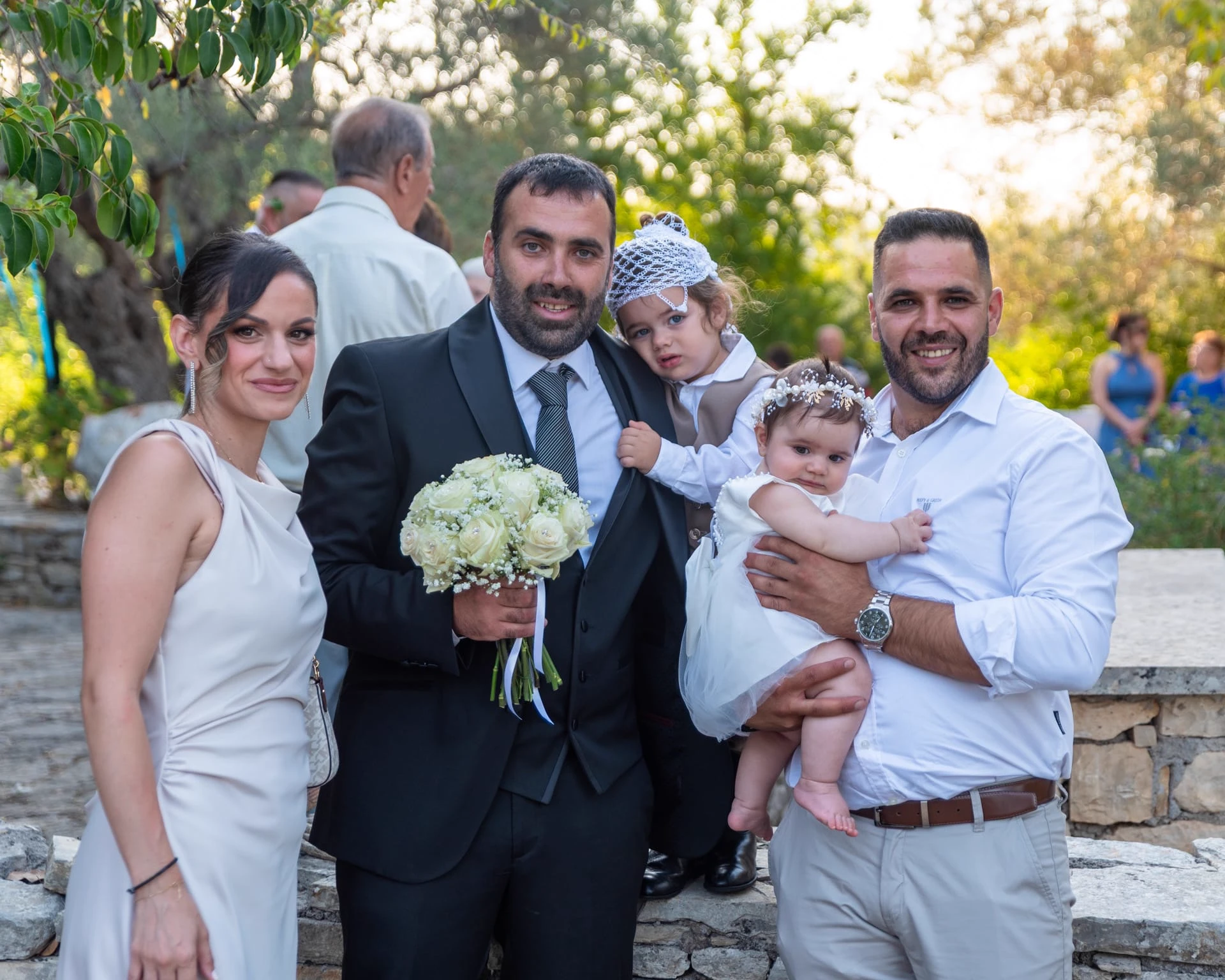
Outside, the village was already coming to life. Friends, neighbours and relatives gathered naturally, as they have done for generations, reminding everyone that in places like Vafes, a wedding is never just about two people. It becomes part of the life of the whole community.
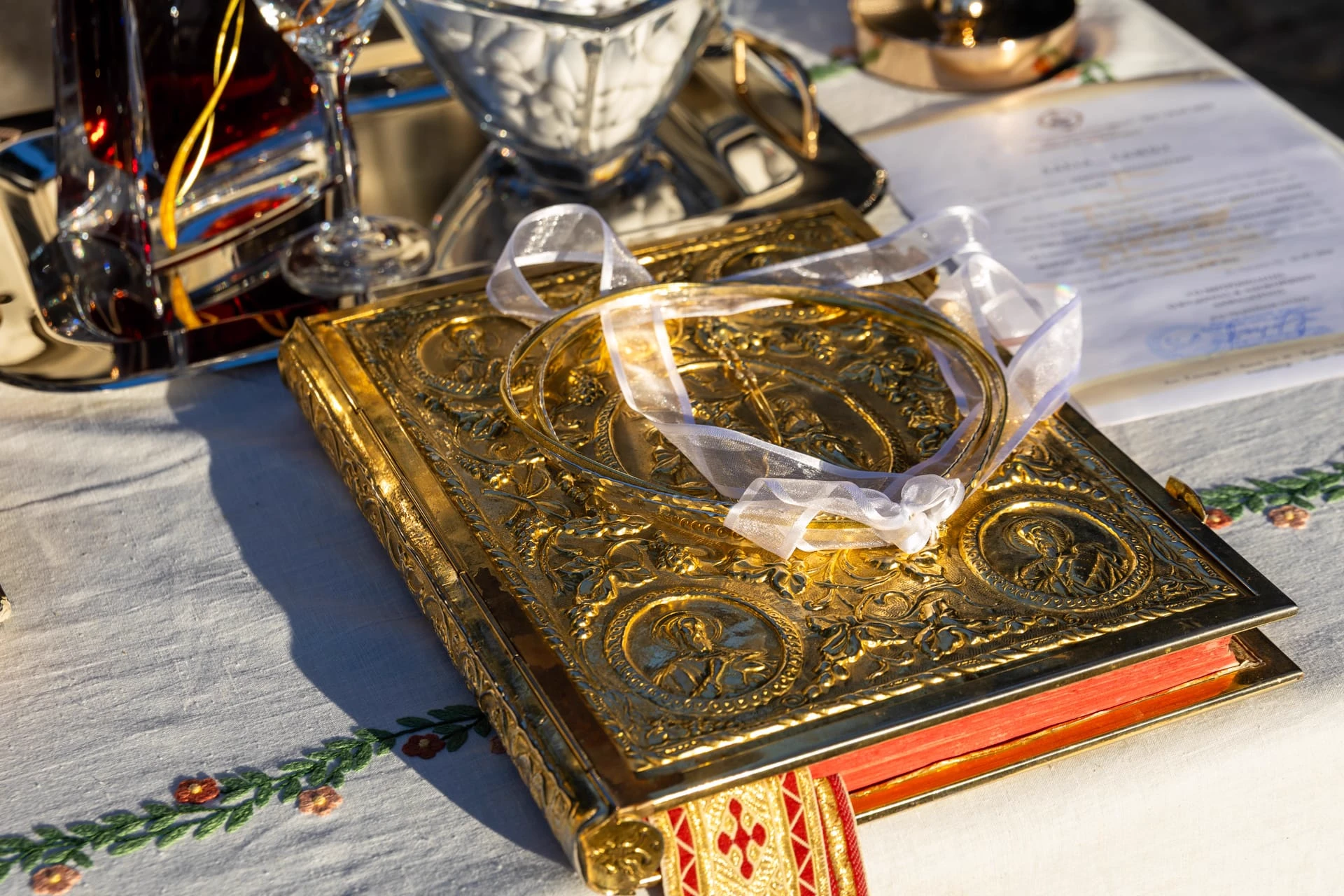
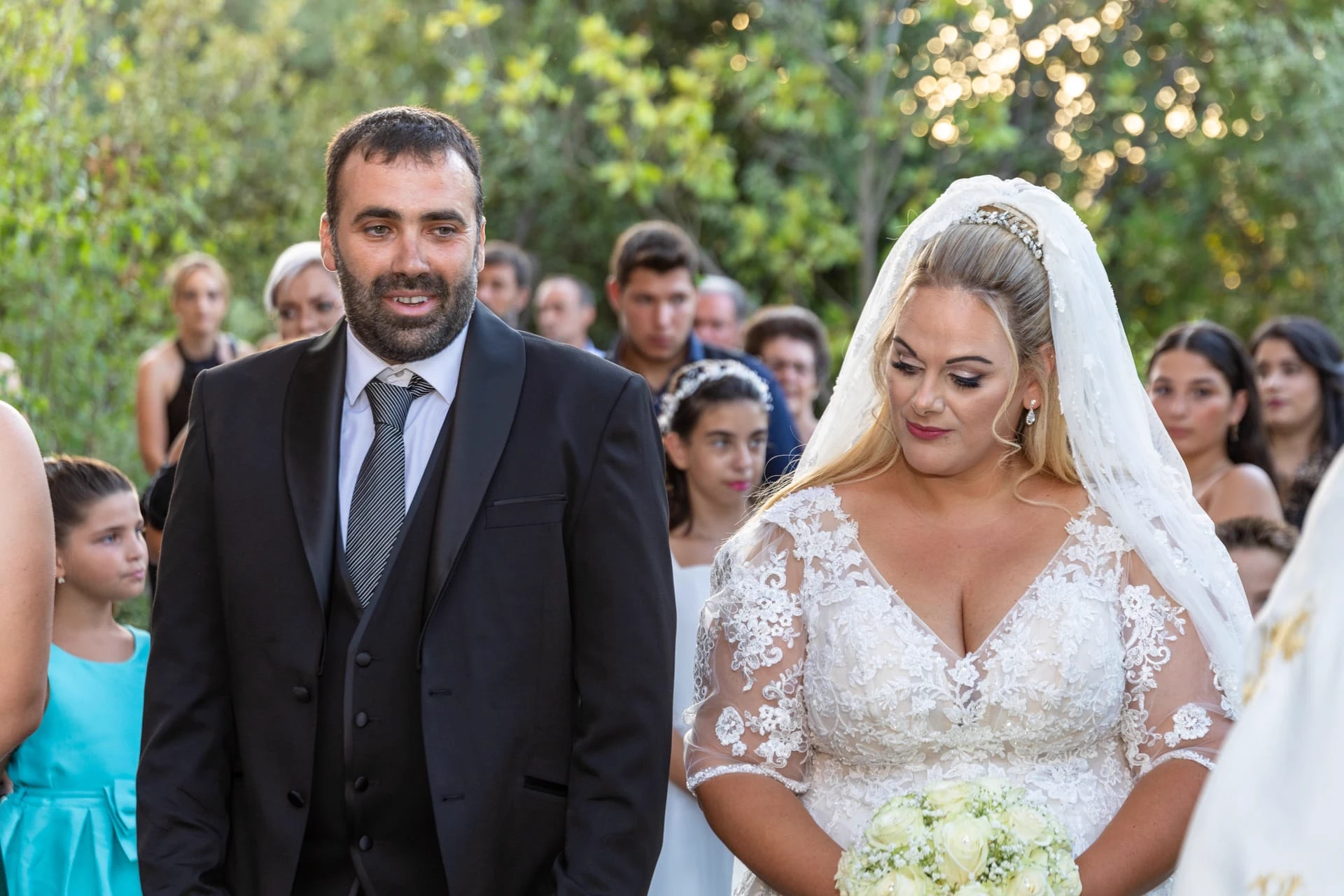
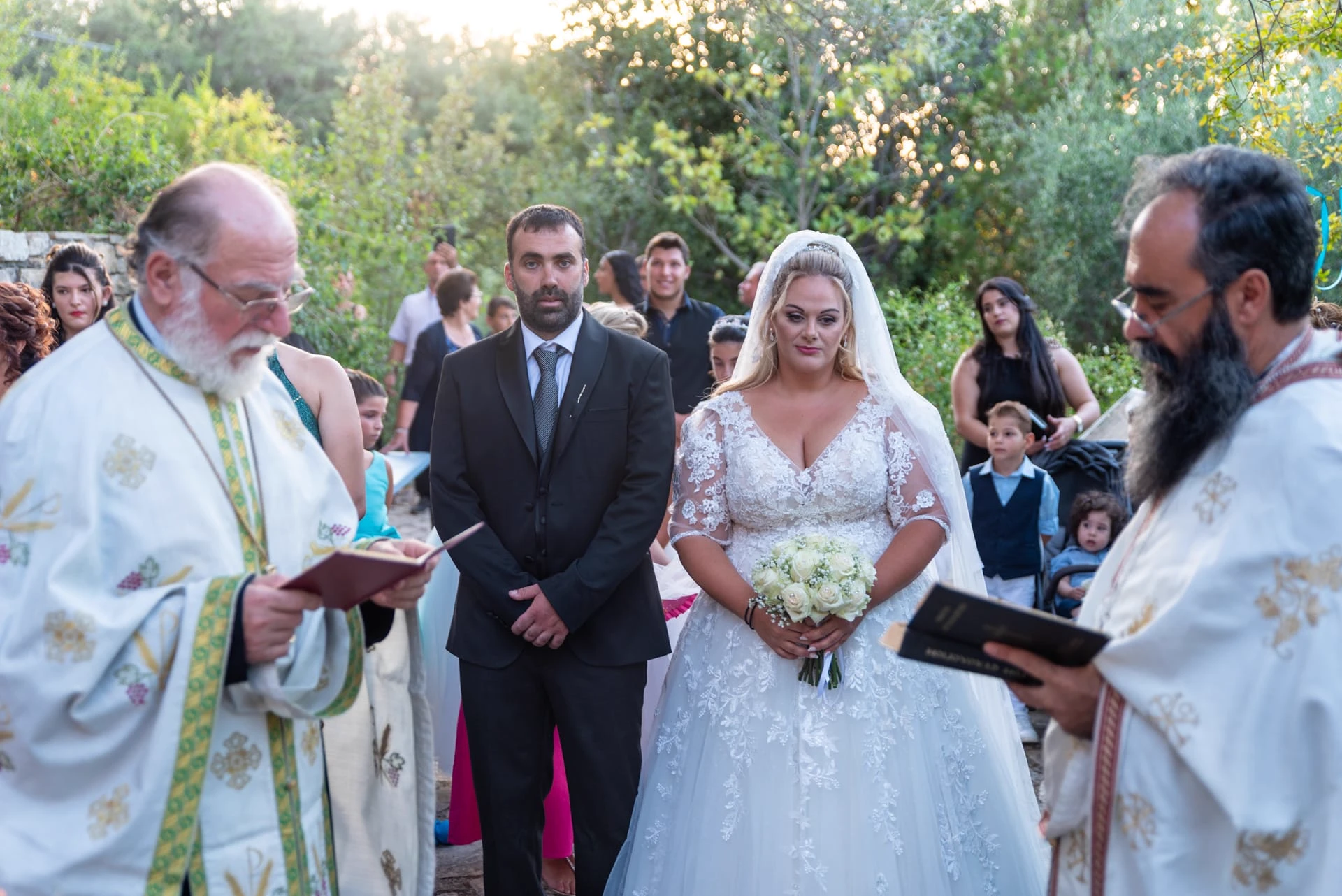
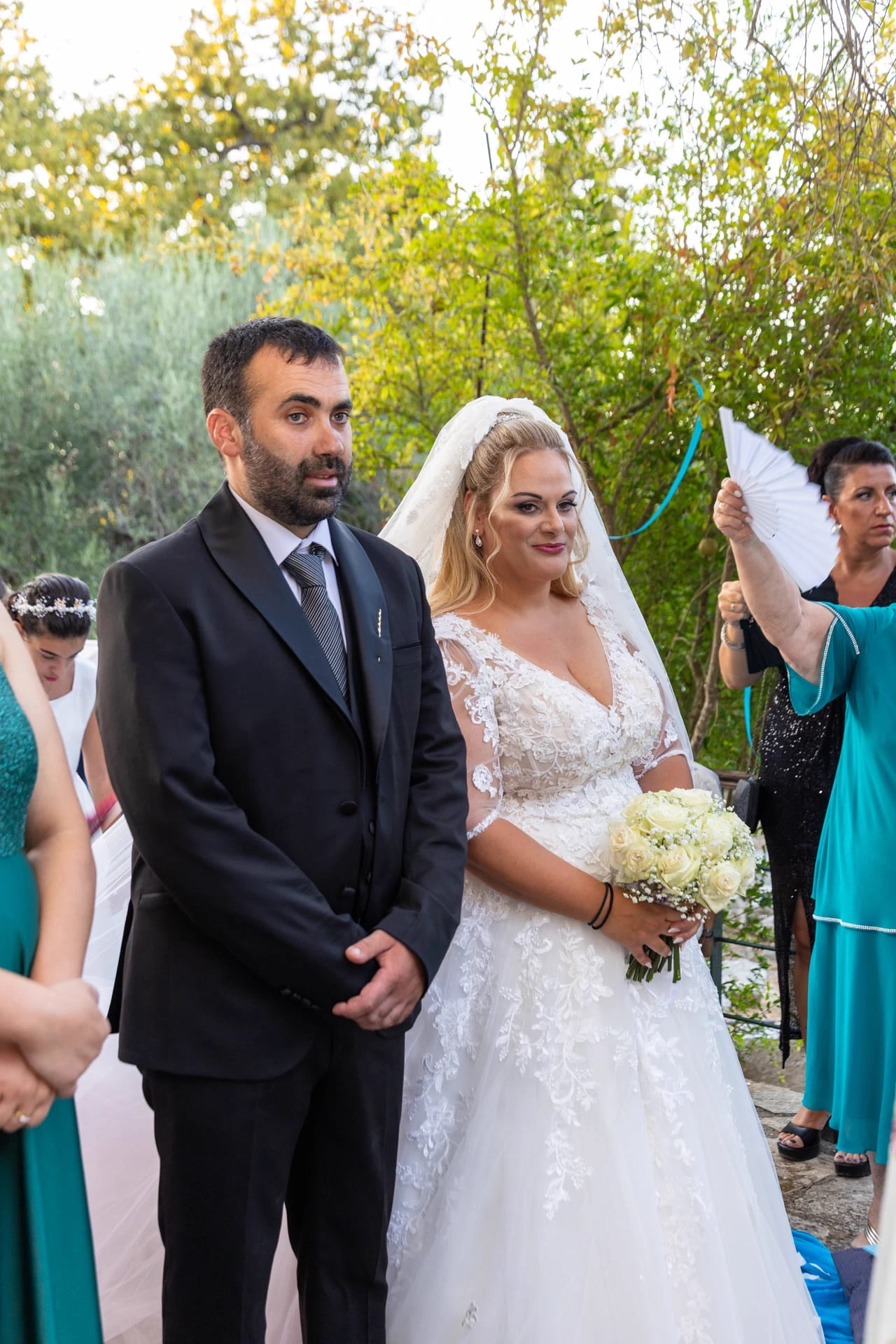
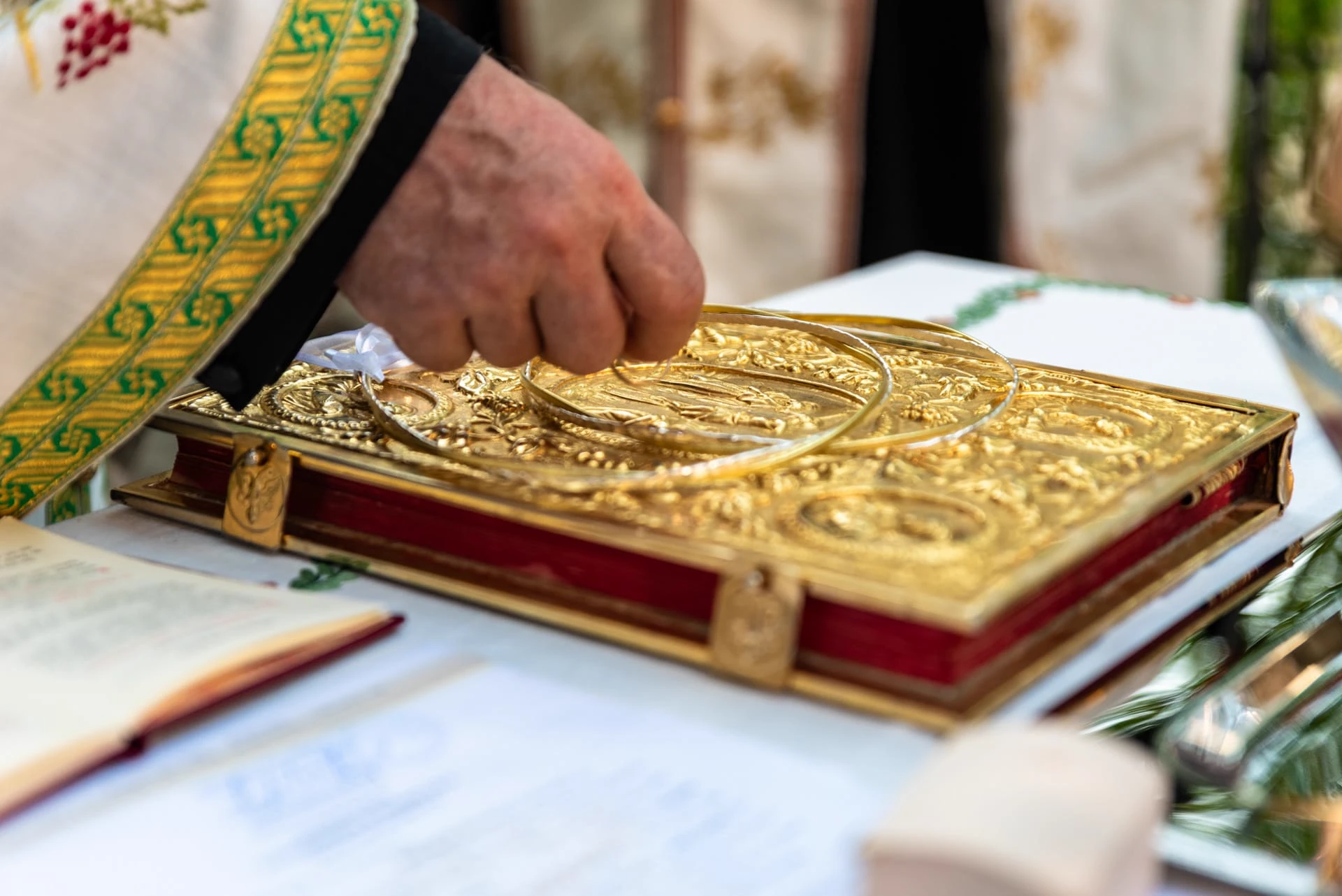
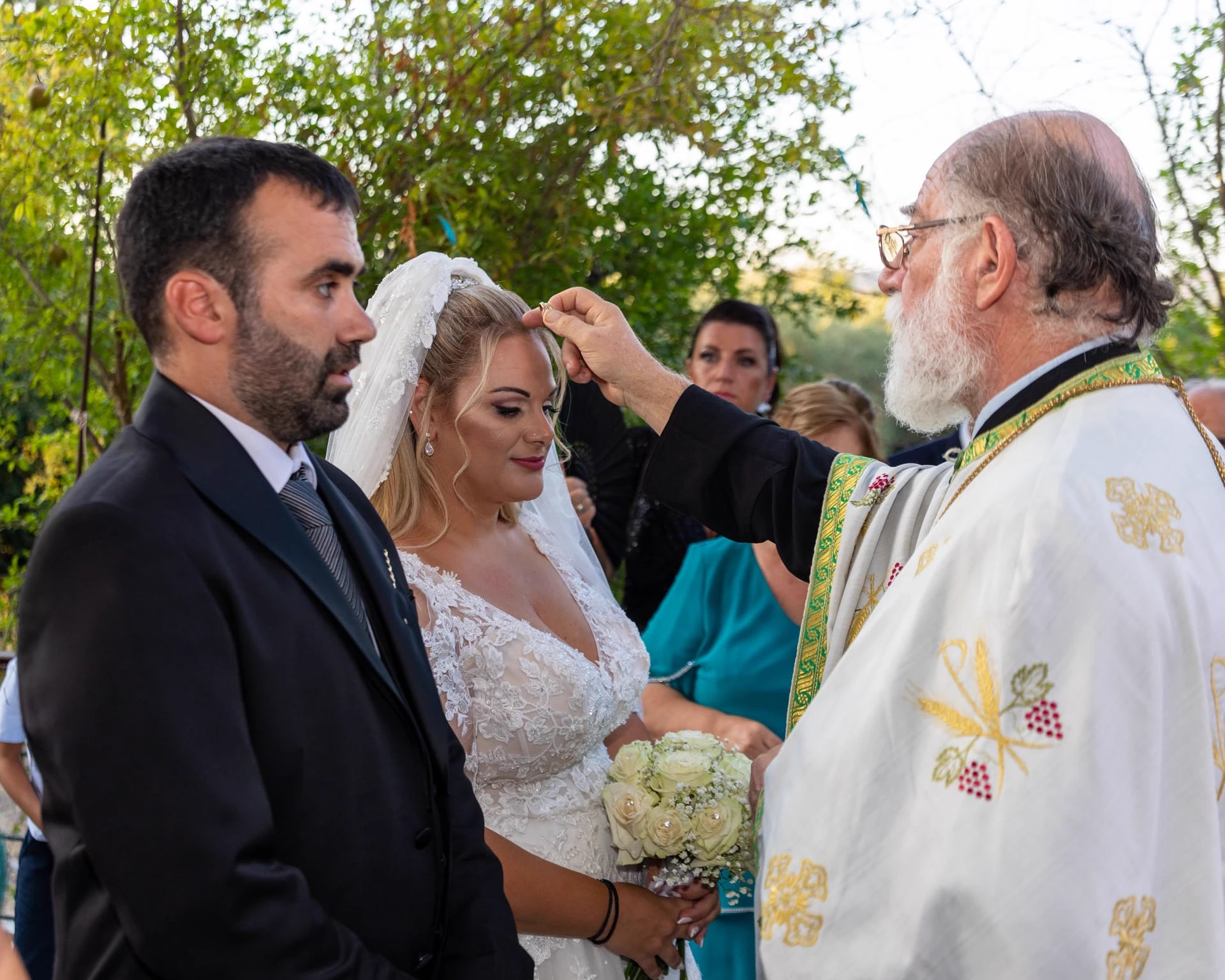
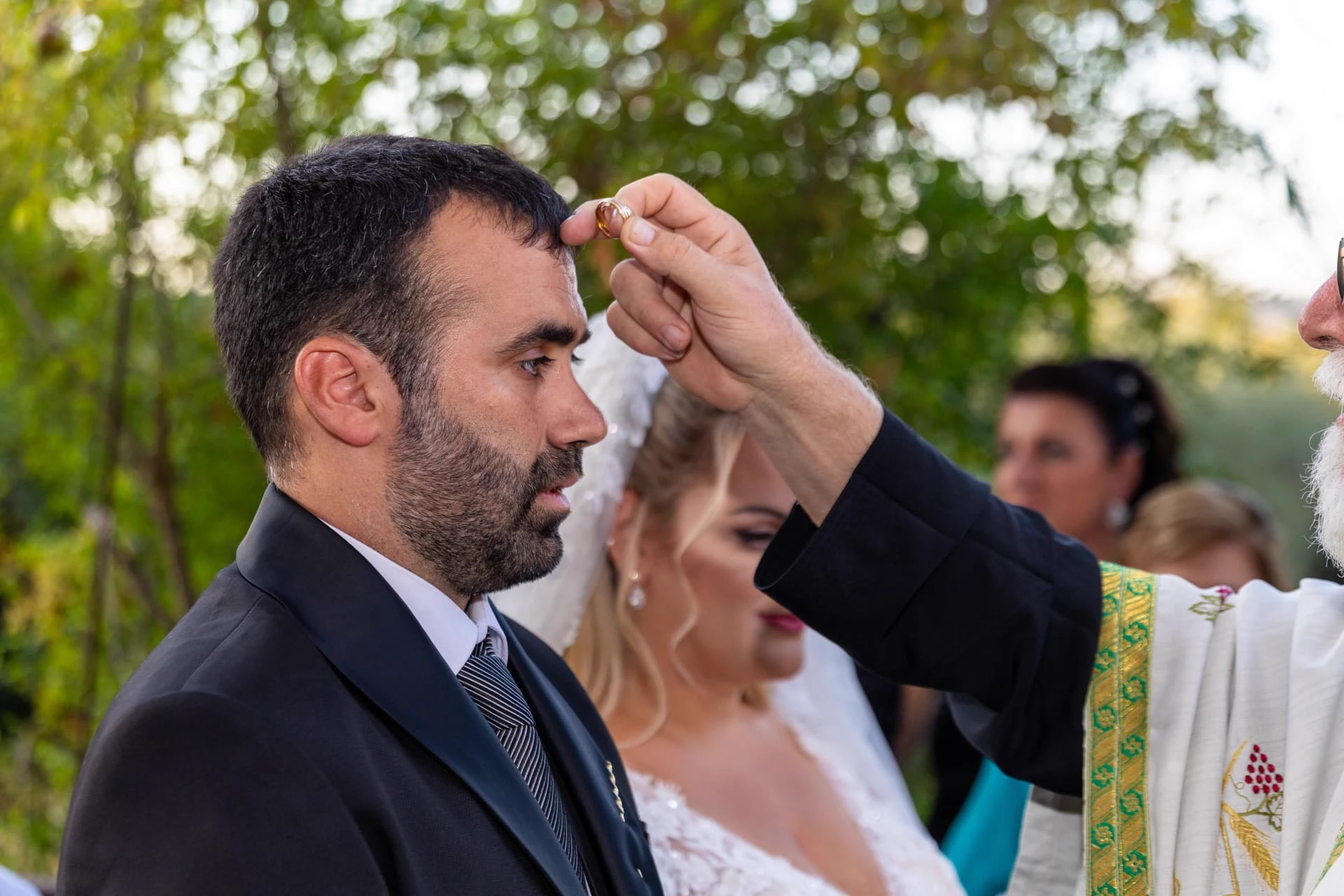
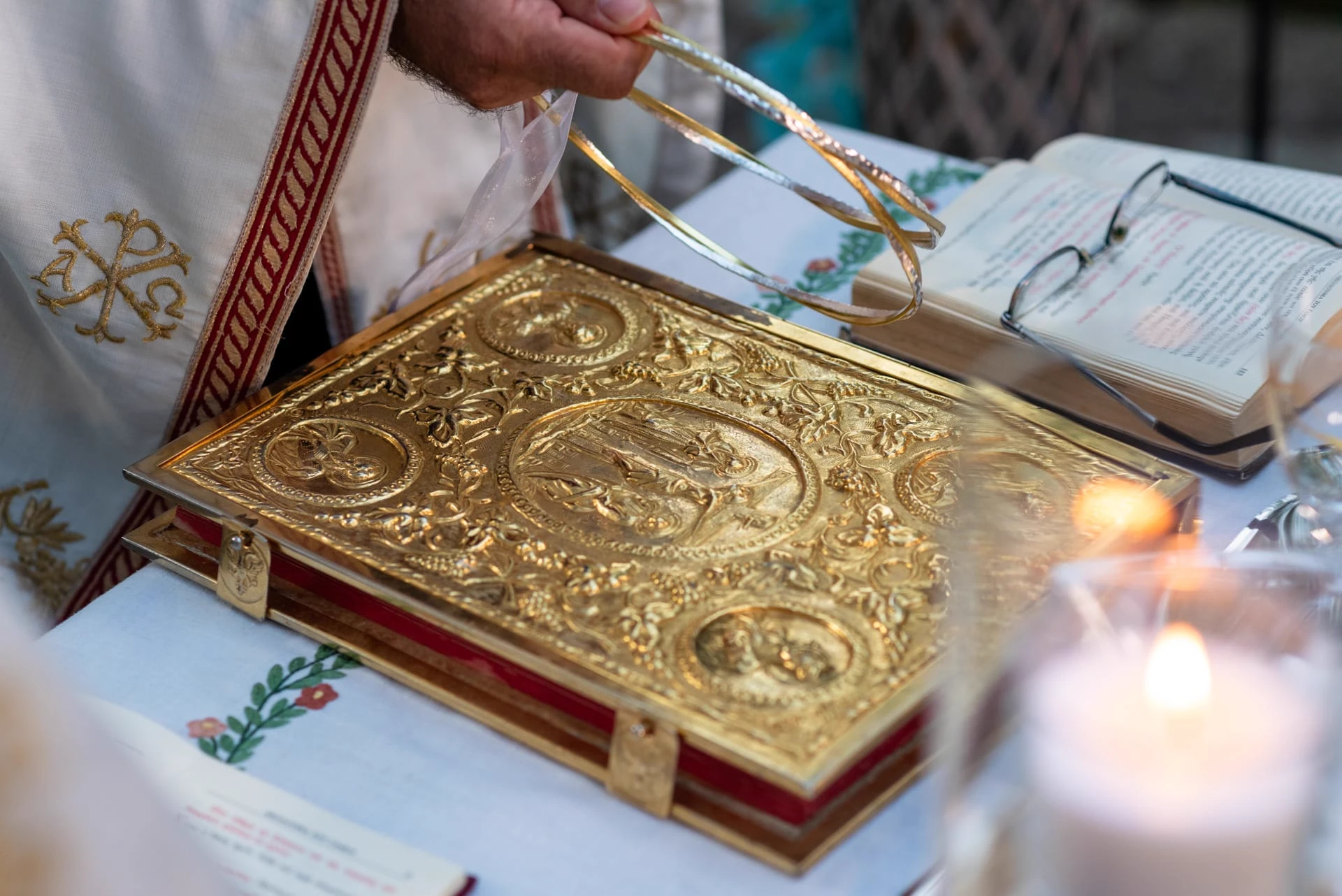
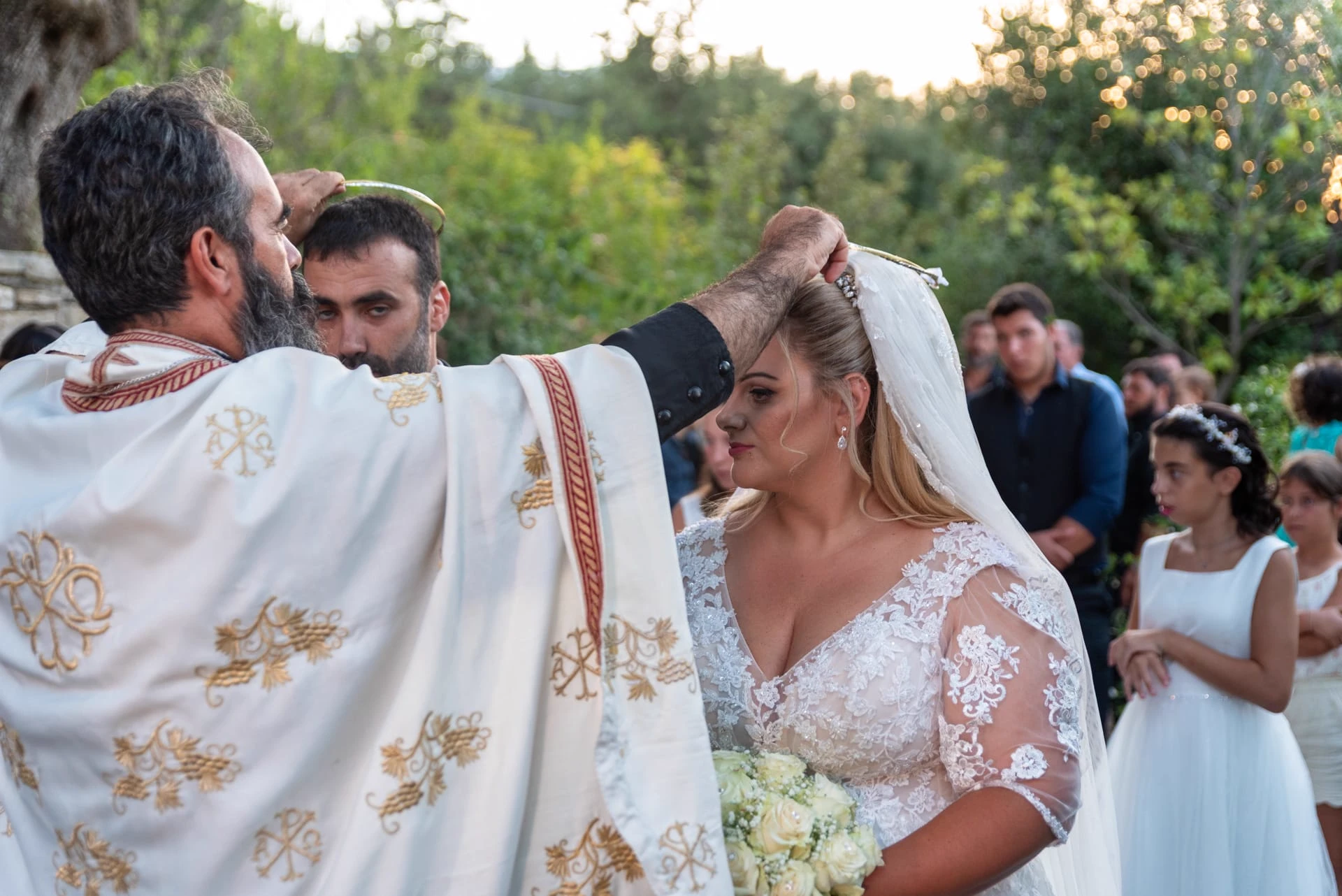
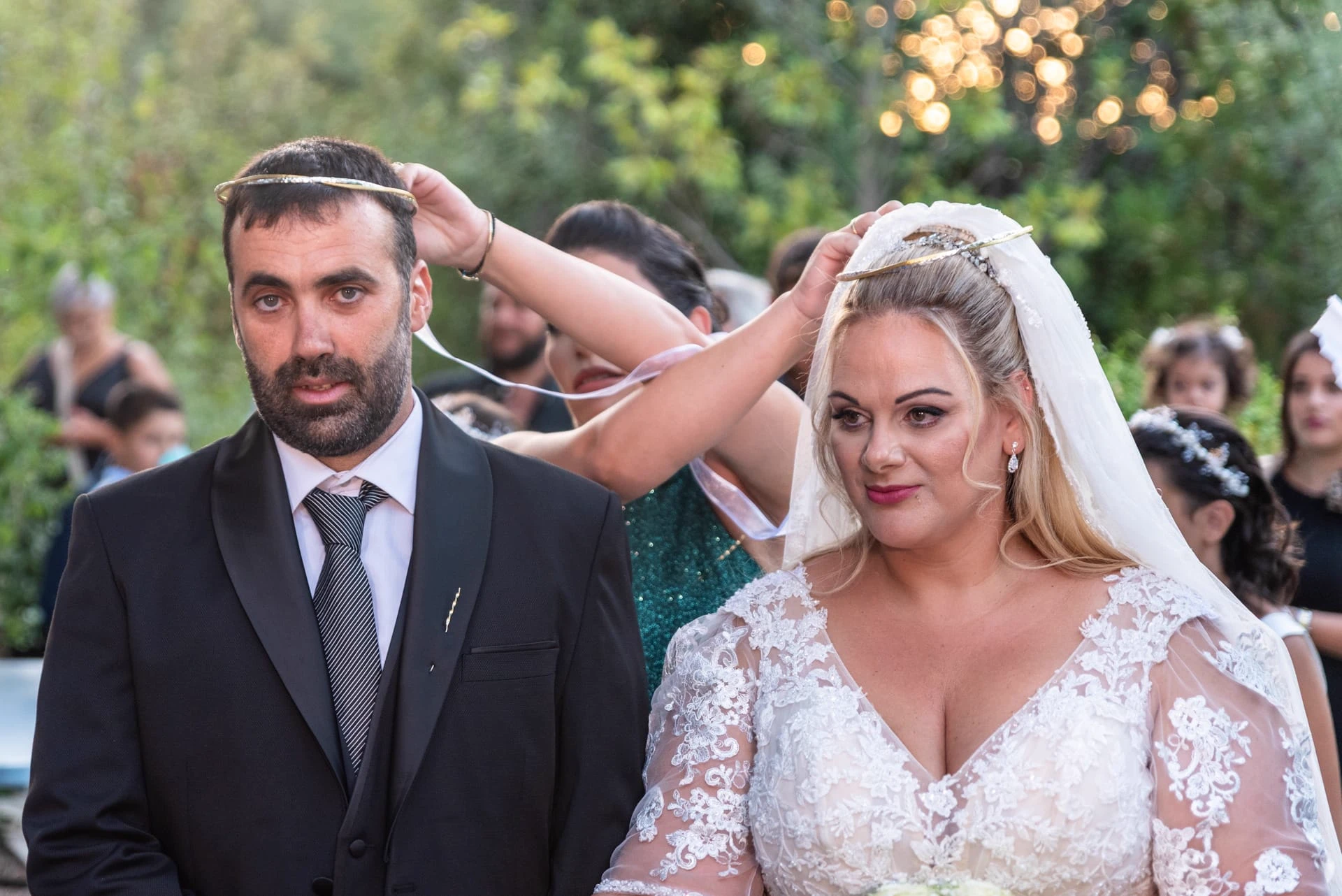
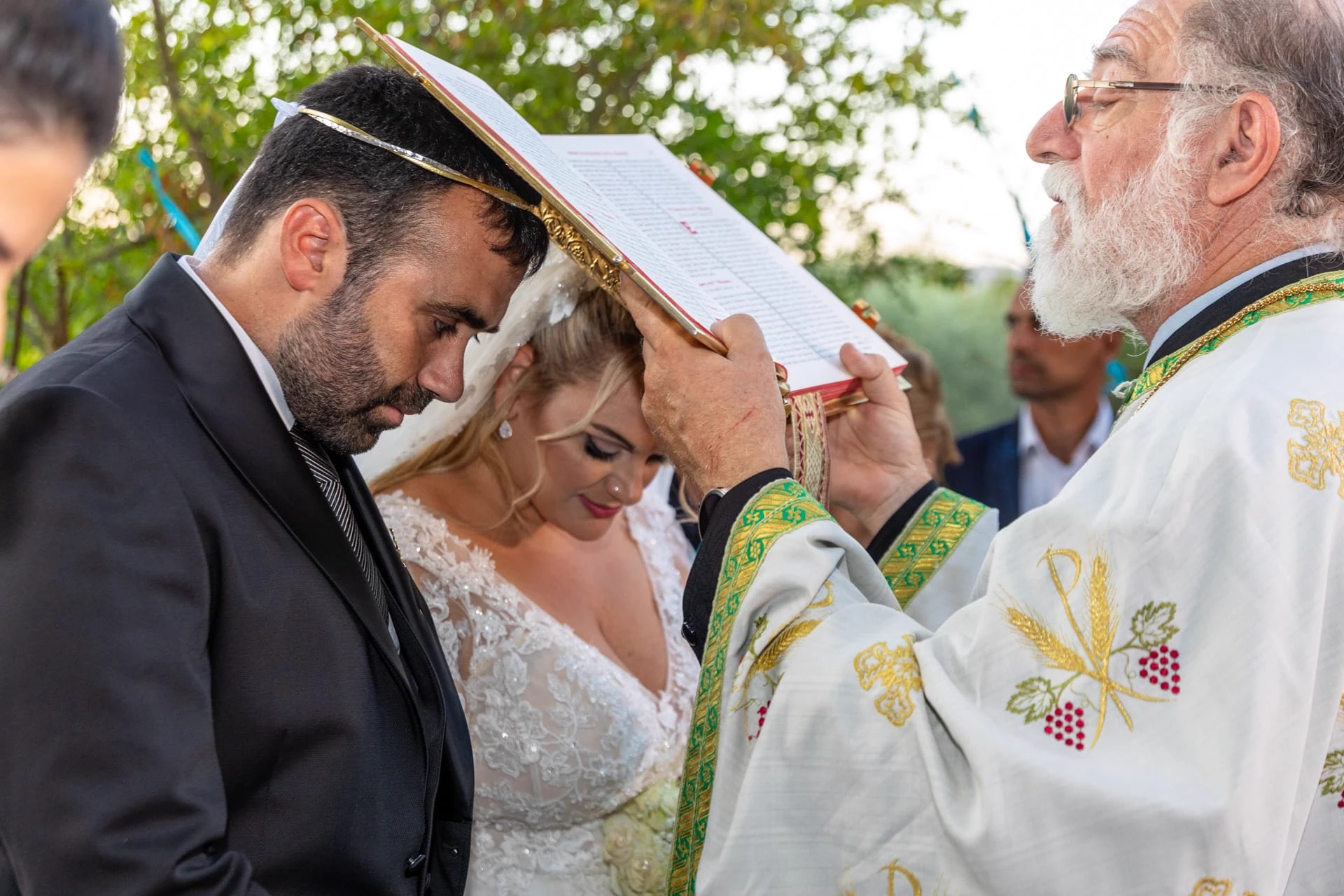
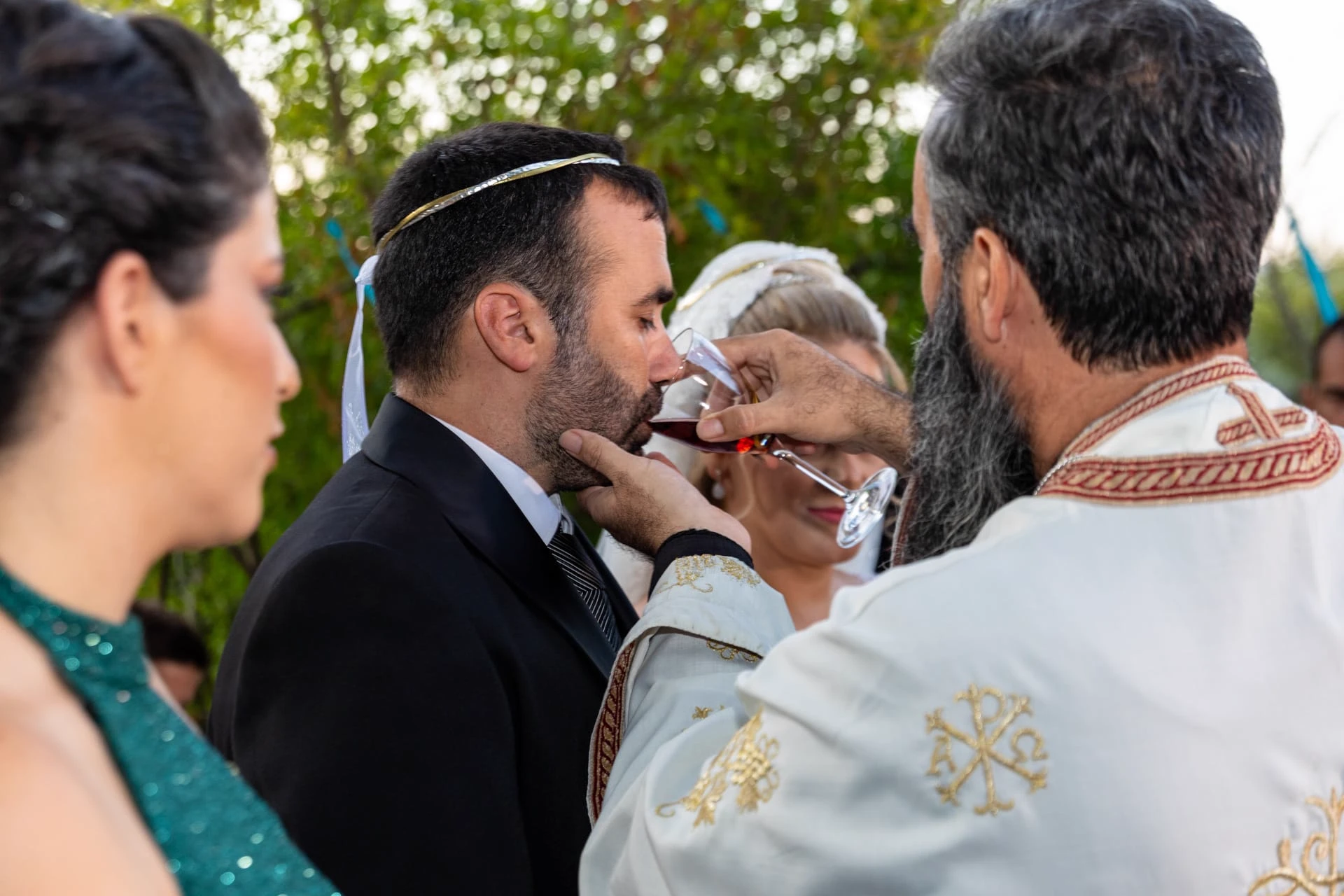
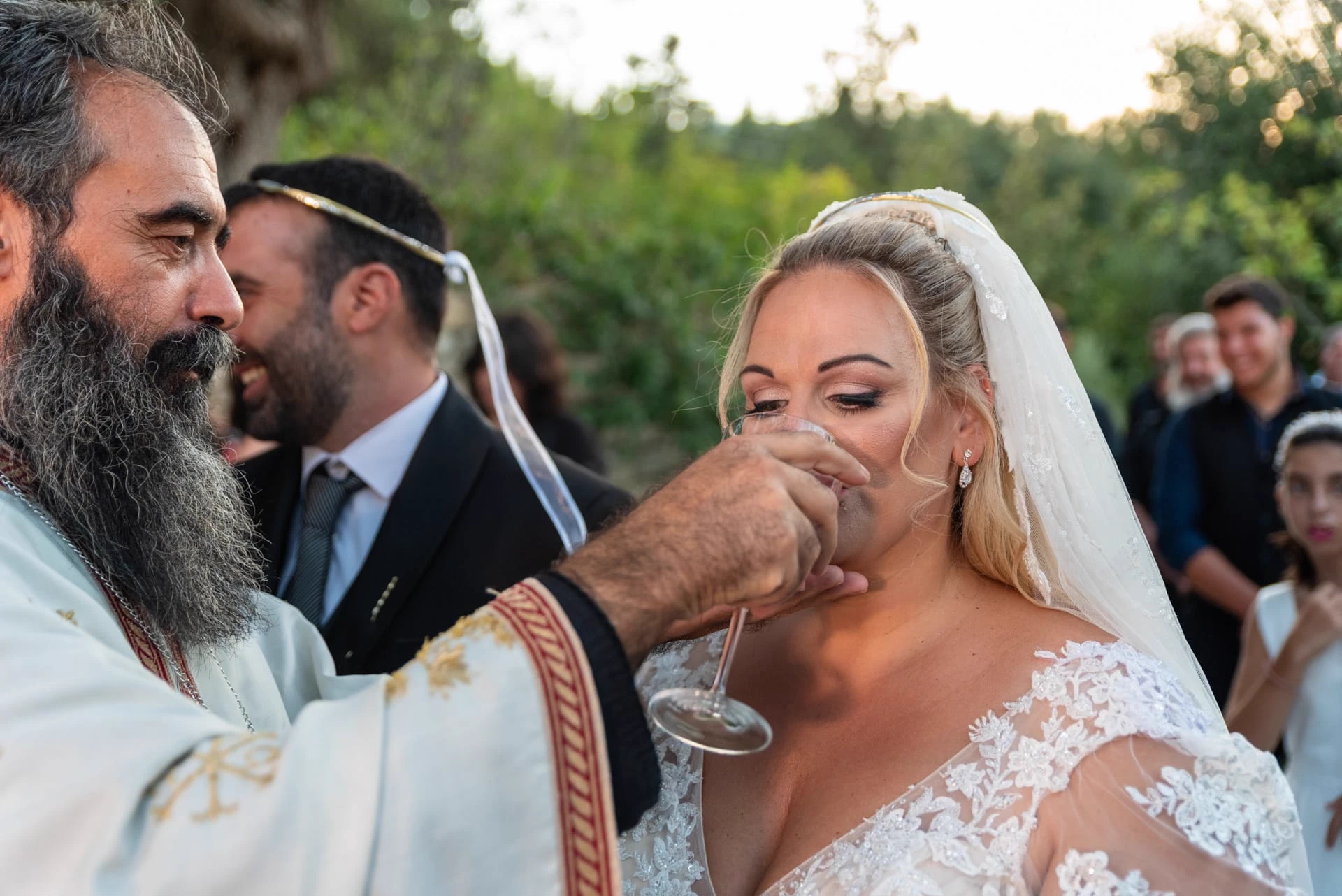
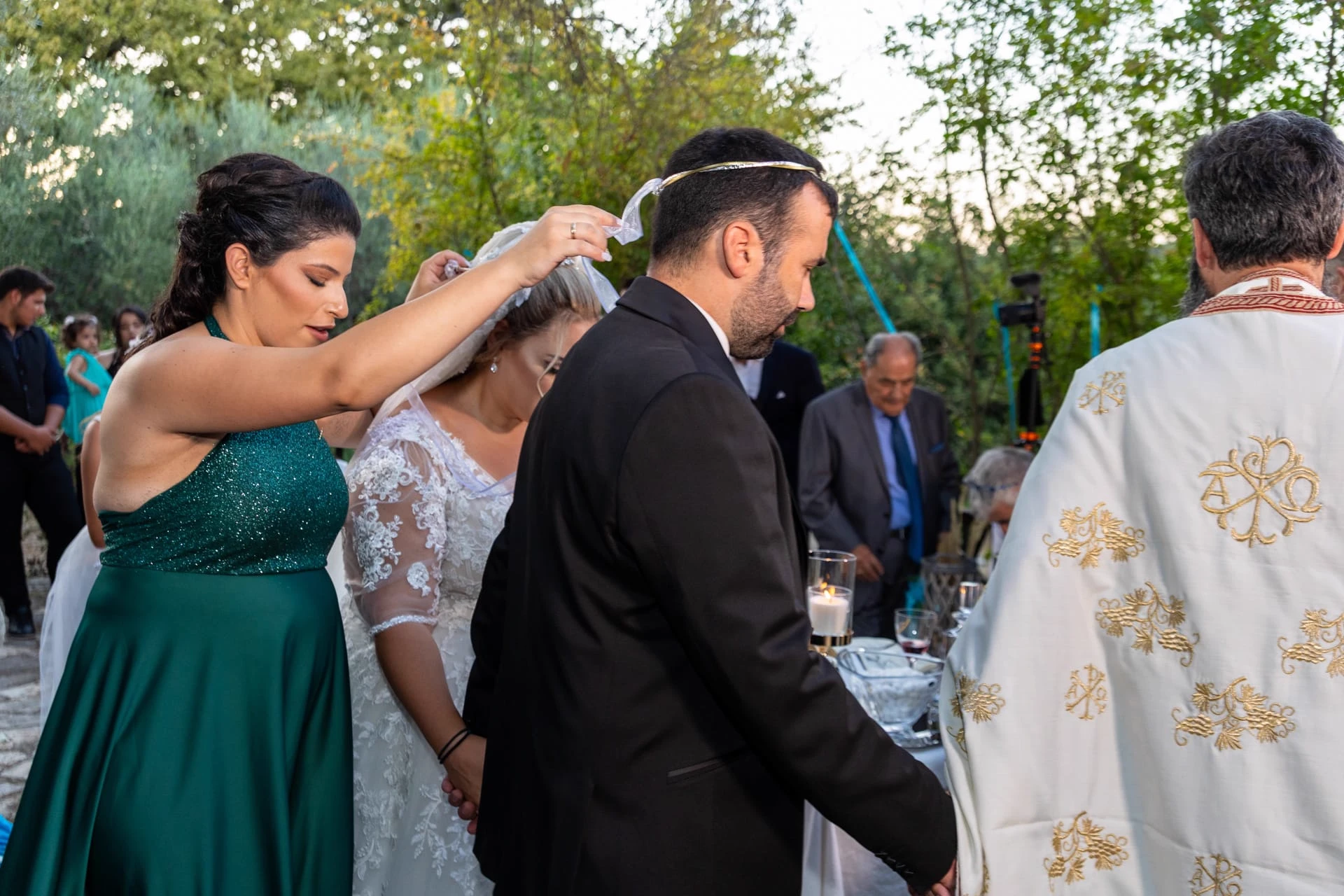
Hidden among the trees of Apokoronas, the Church of the Holy Asomatoi provided a peaceful setting for their Orthodox ceremony. Stone walls, soft natural light and the surrounding landscape created an atmosphere that felt timeless, allowing every part of the ceremony to unfold with quiet dignity.
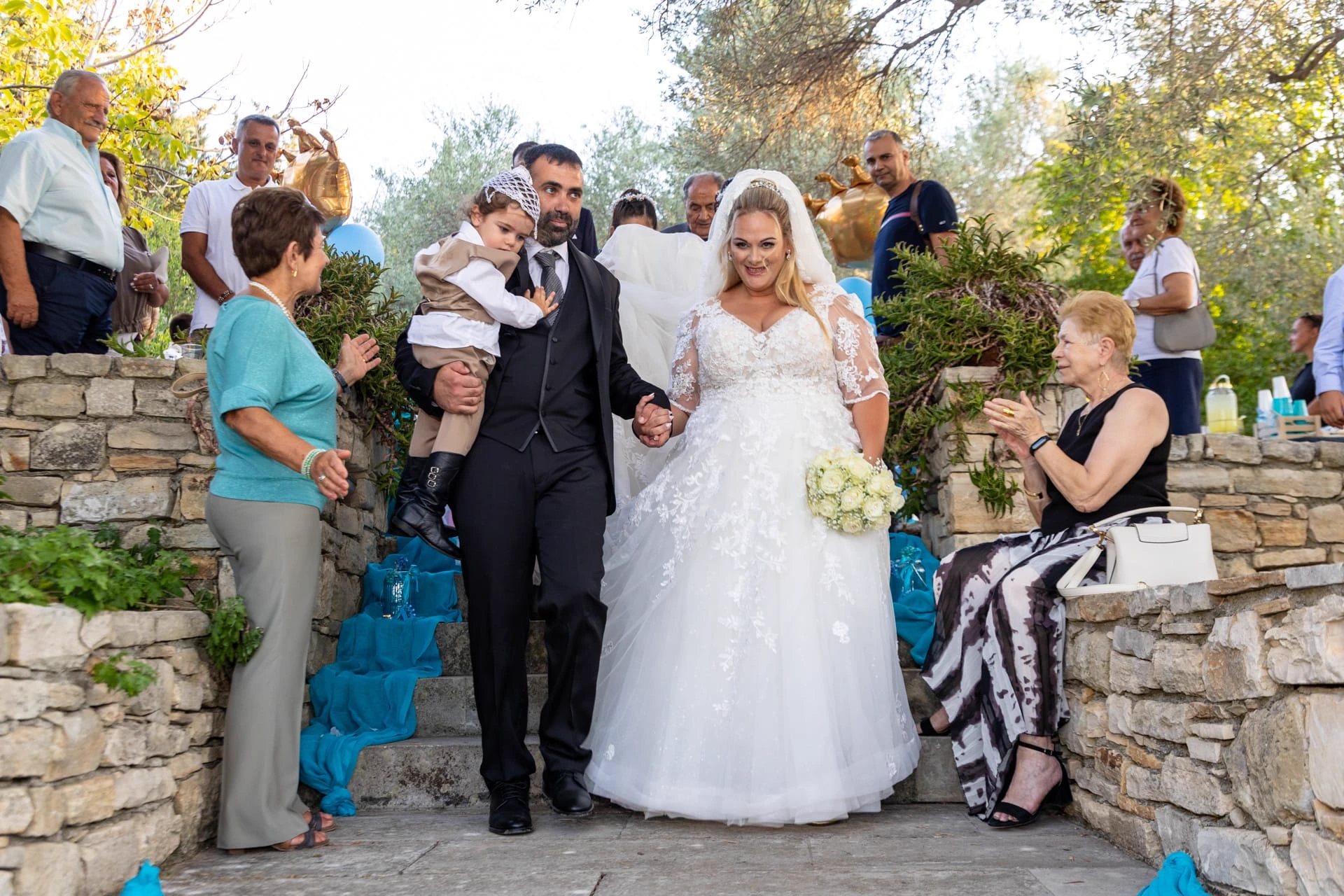
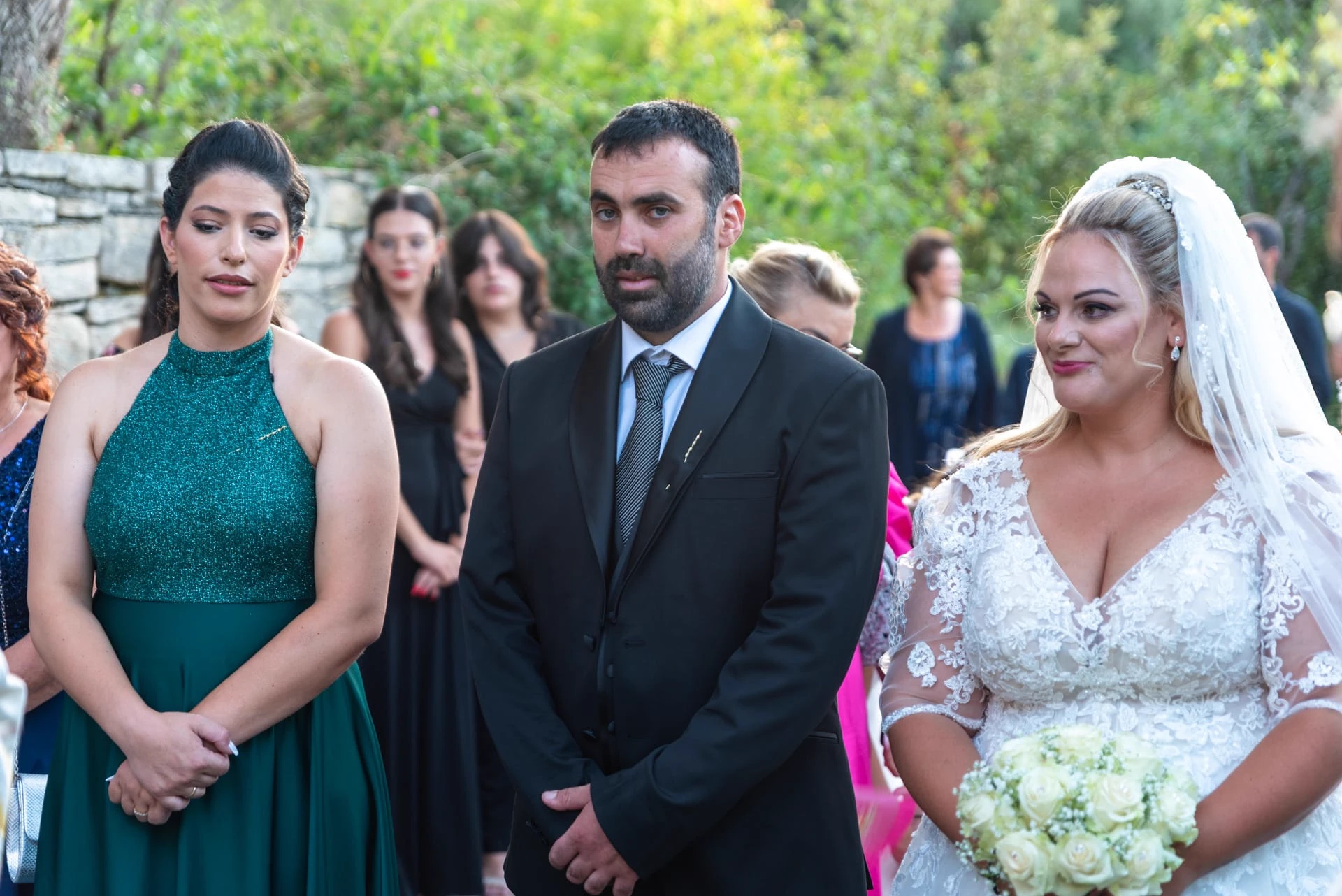
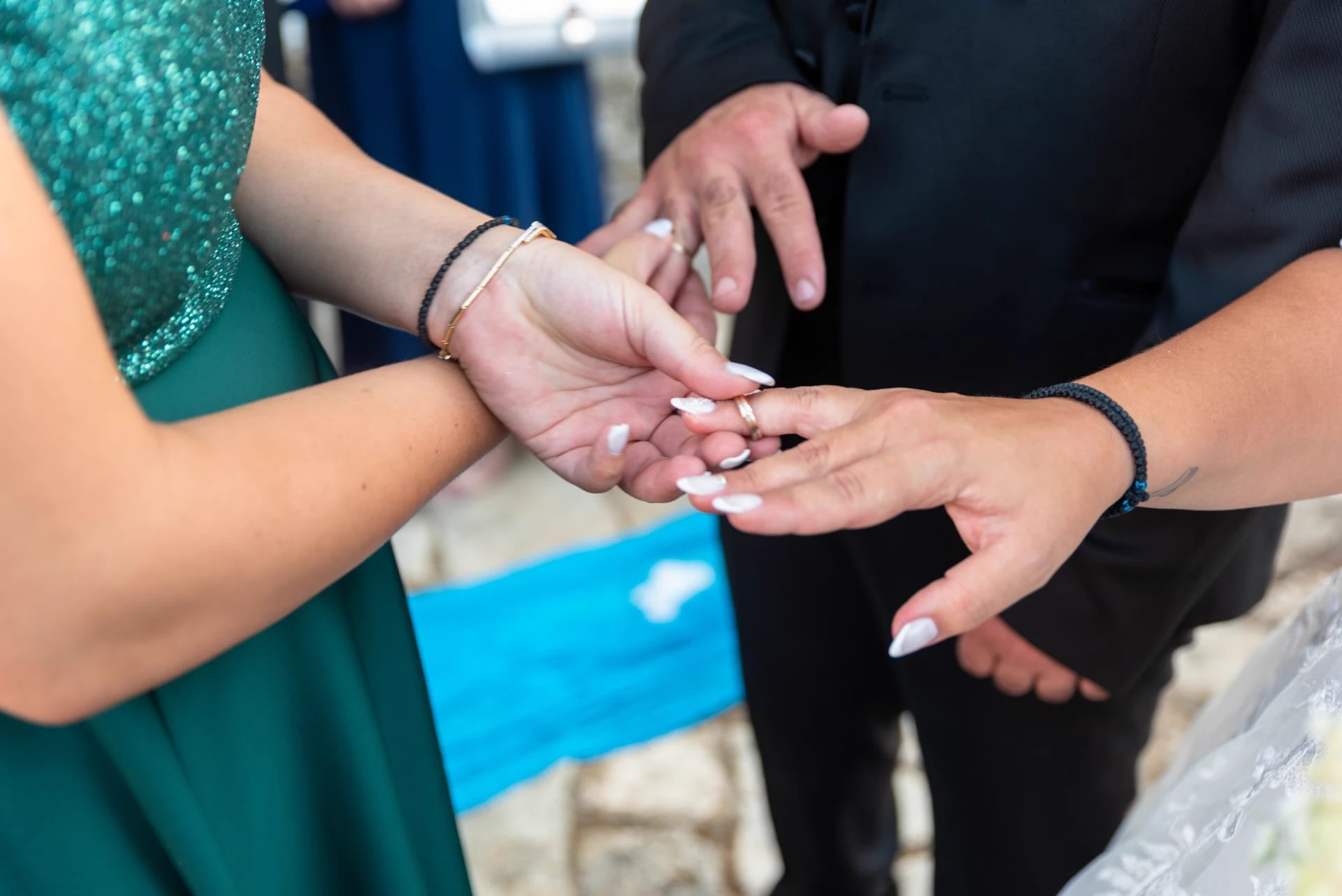
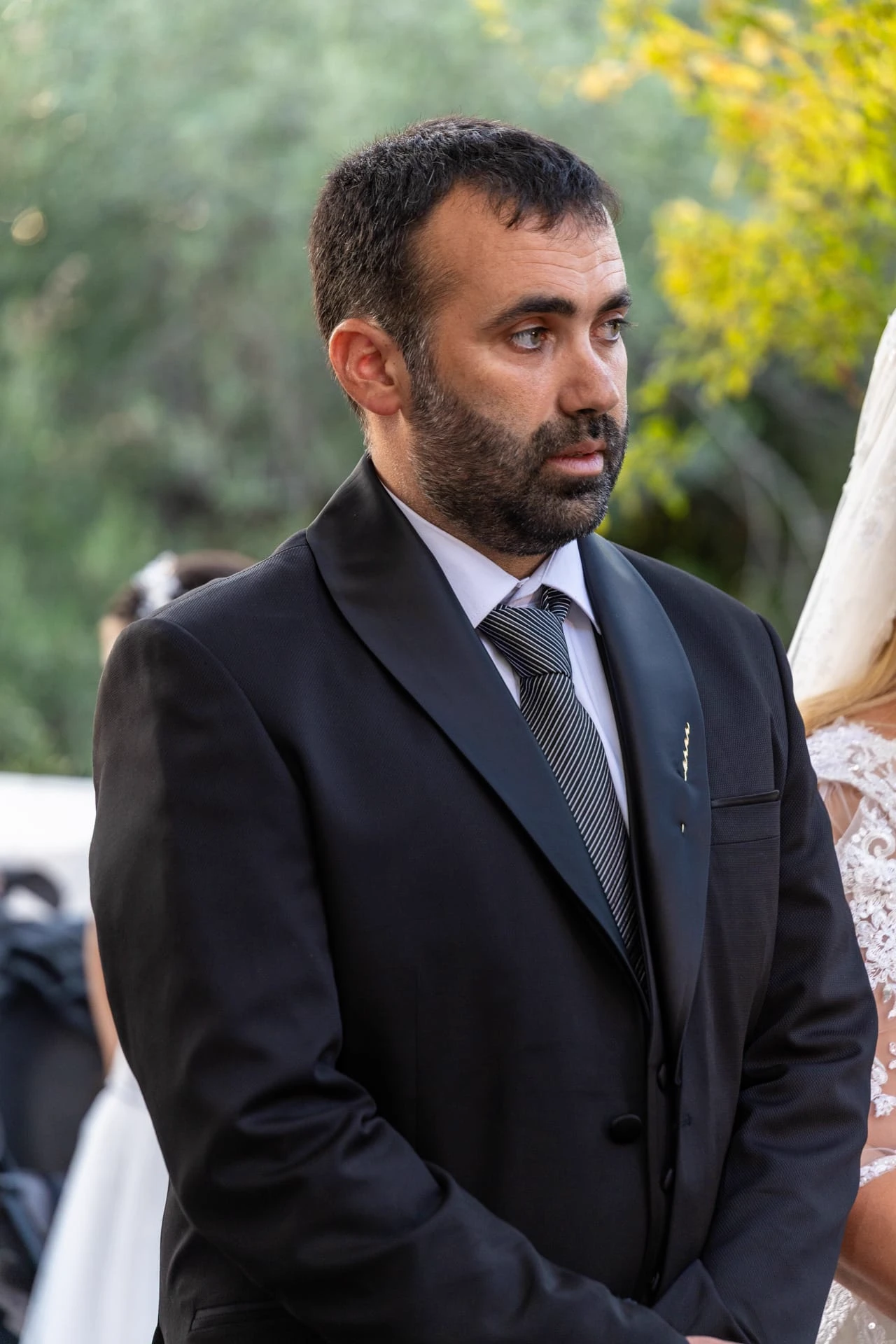
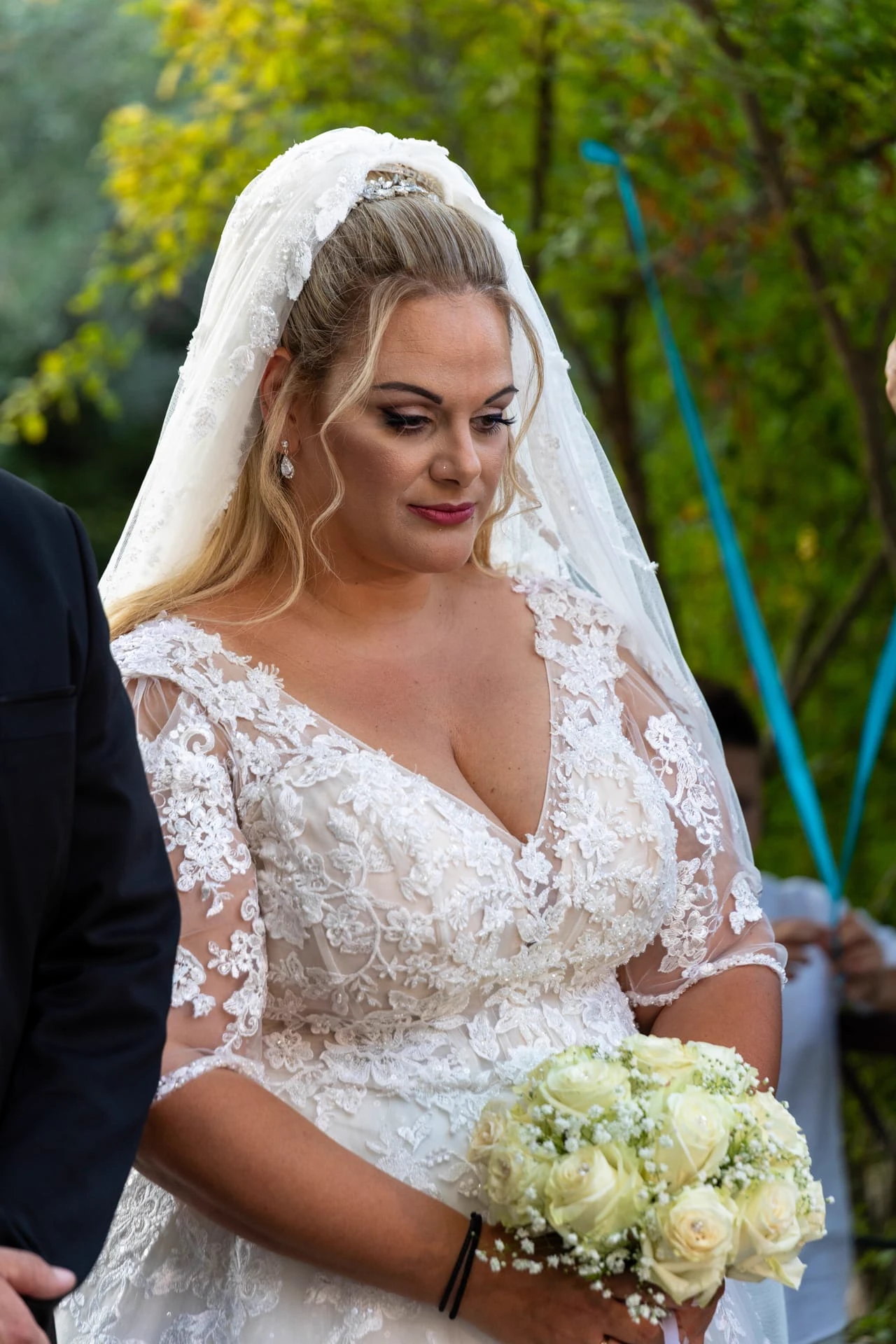
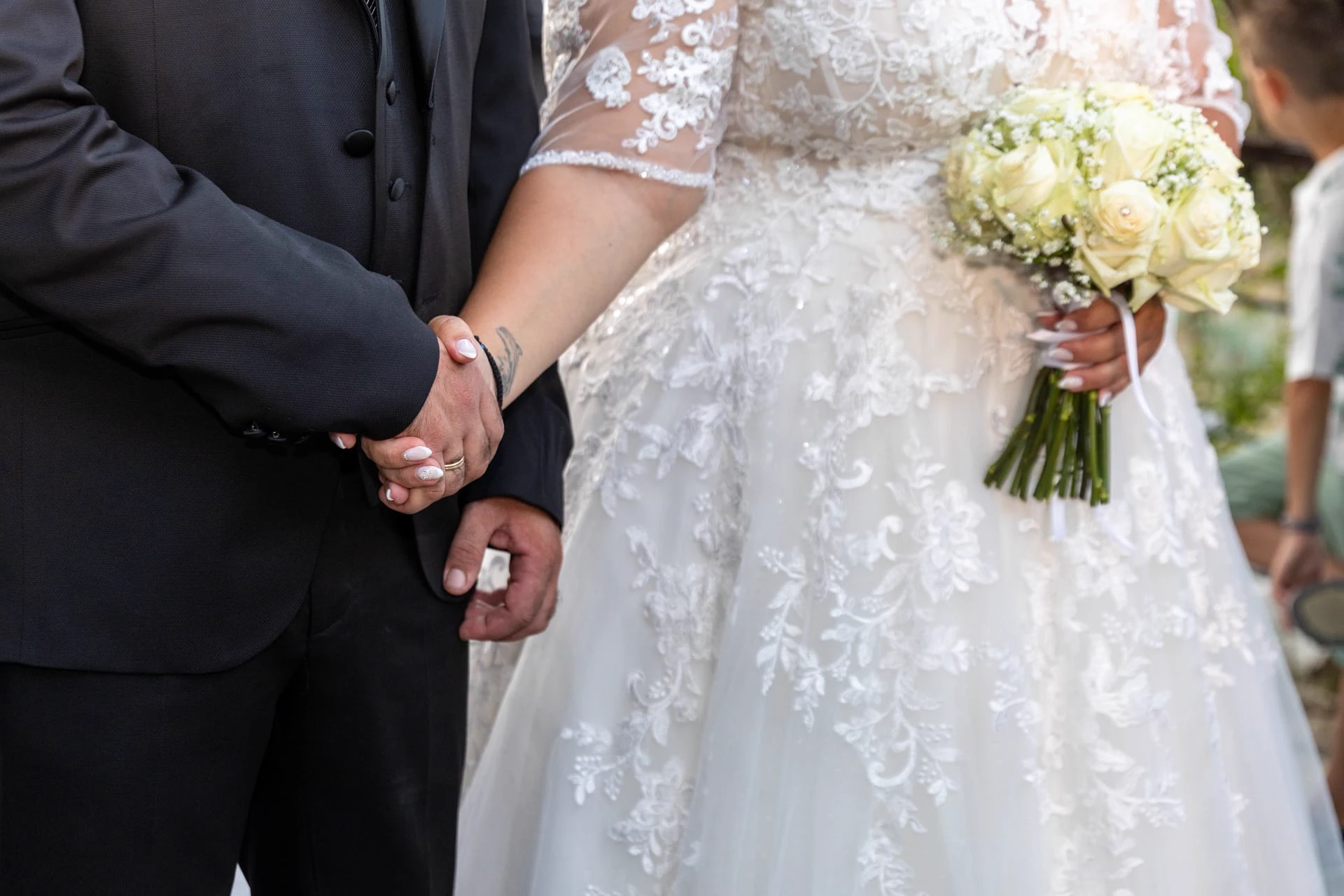
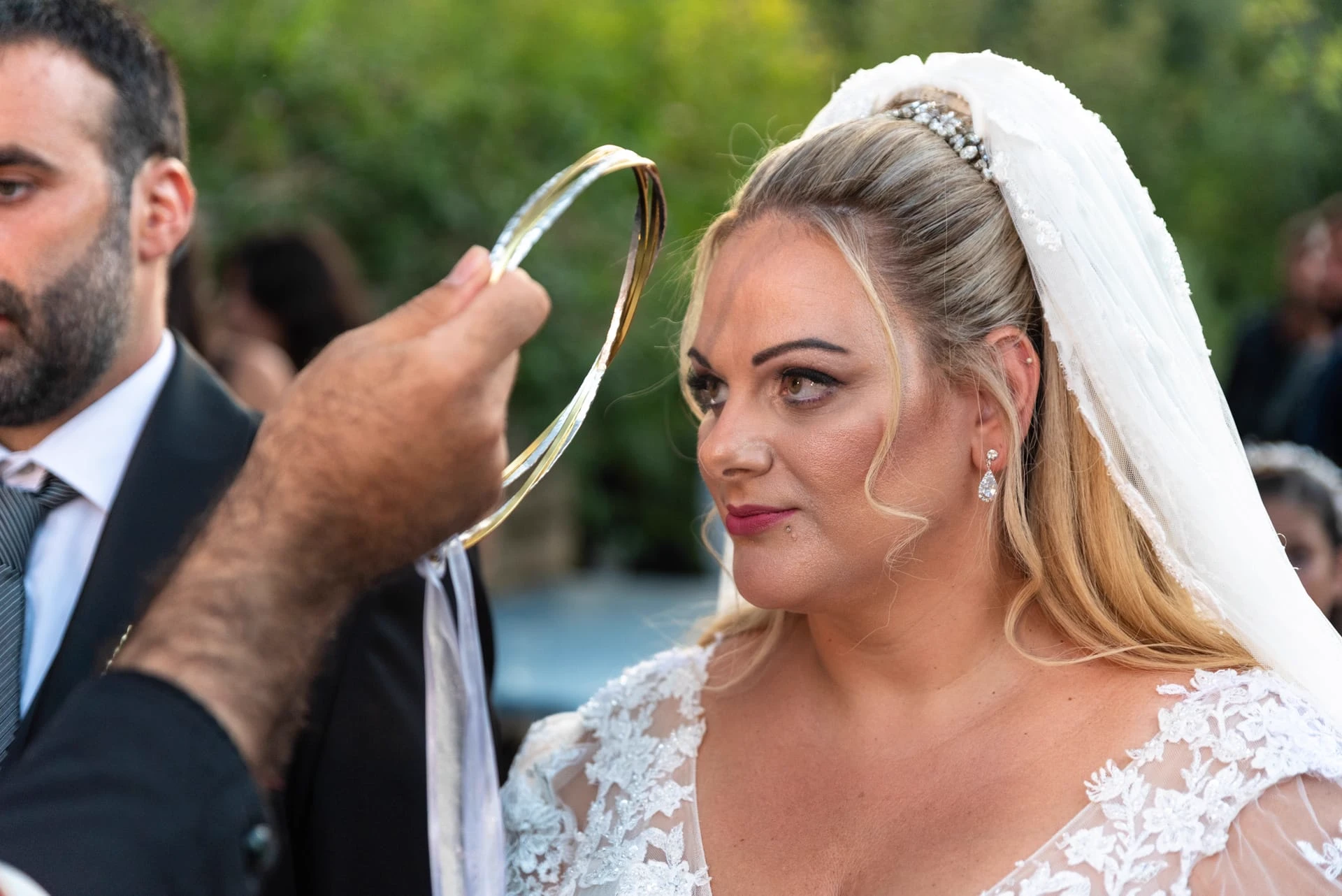
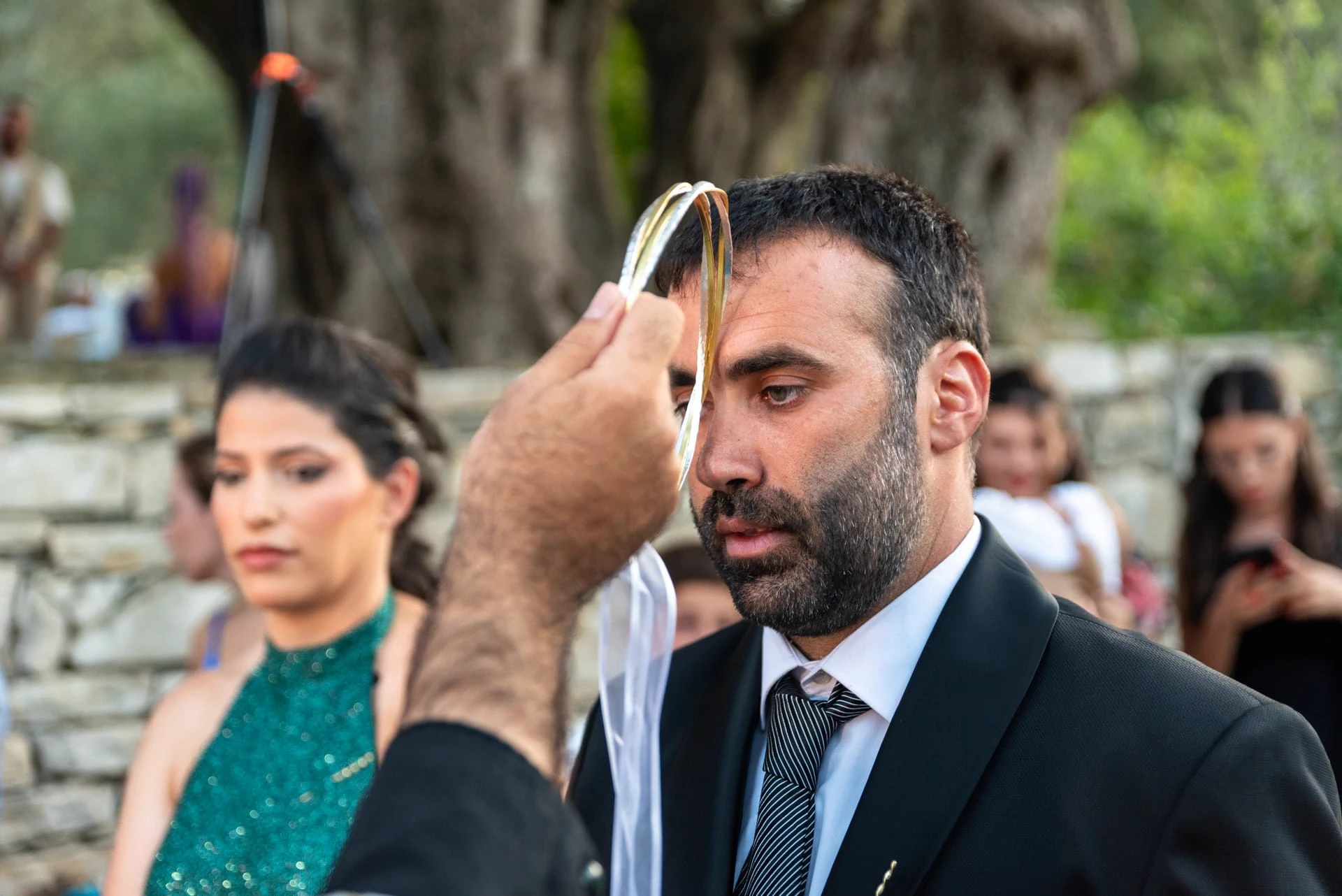
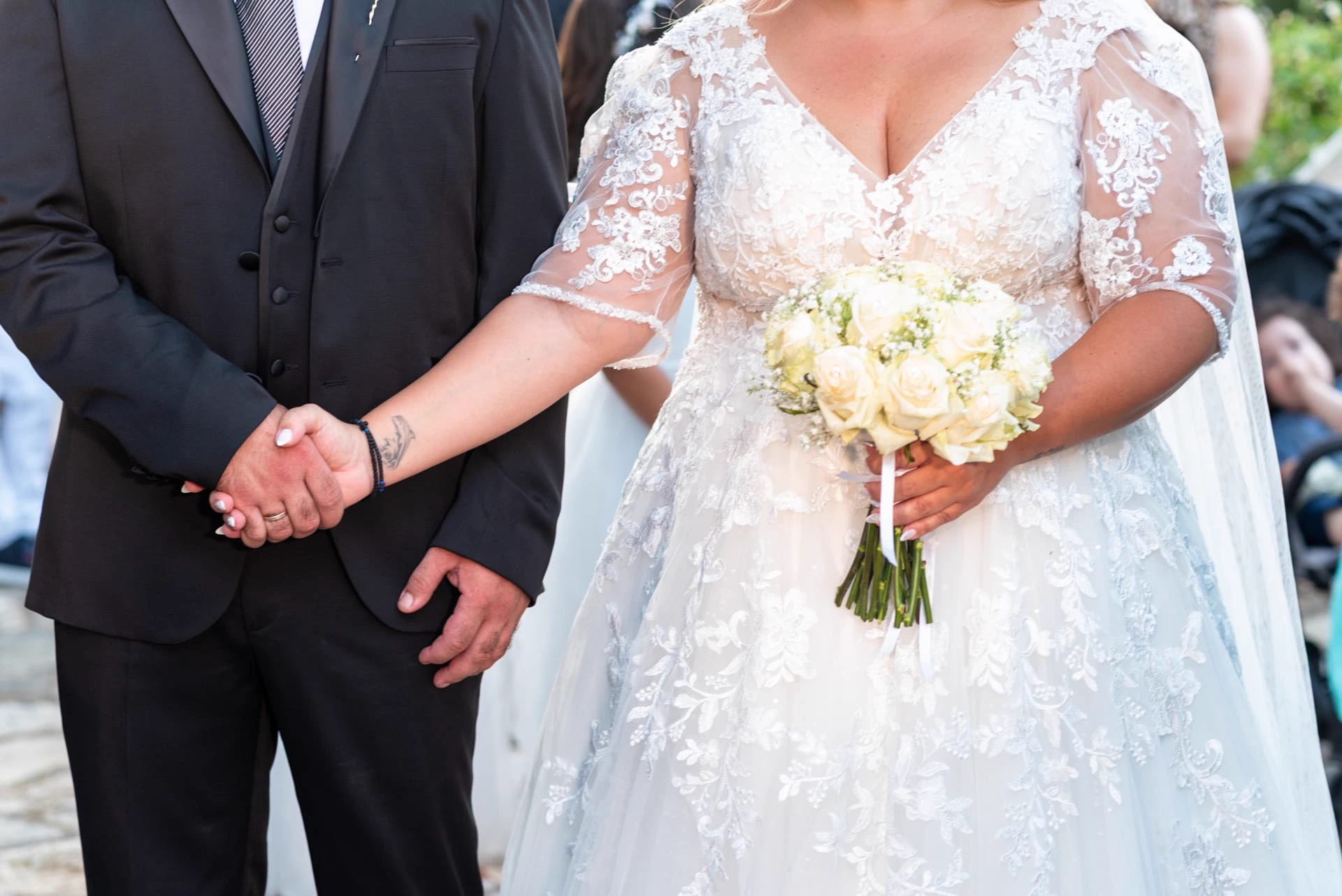
Throughout the service, Anna and Aris remained completely present with one another. There was no need for direction or interruption. Every smile, every glance and every blessing reflected exactly what the day was about — family, faith and beginning a new chapter together.
After the ceremony, the celebration continued in true Cretan style.
One of the most memorable moments was the traditional escort of the koumbara through the village, accompanied by well over a hundred local men — a custom that has been preserved in Vafes for many years and remains an important part of the village’s identity.
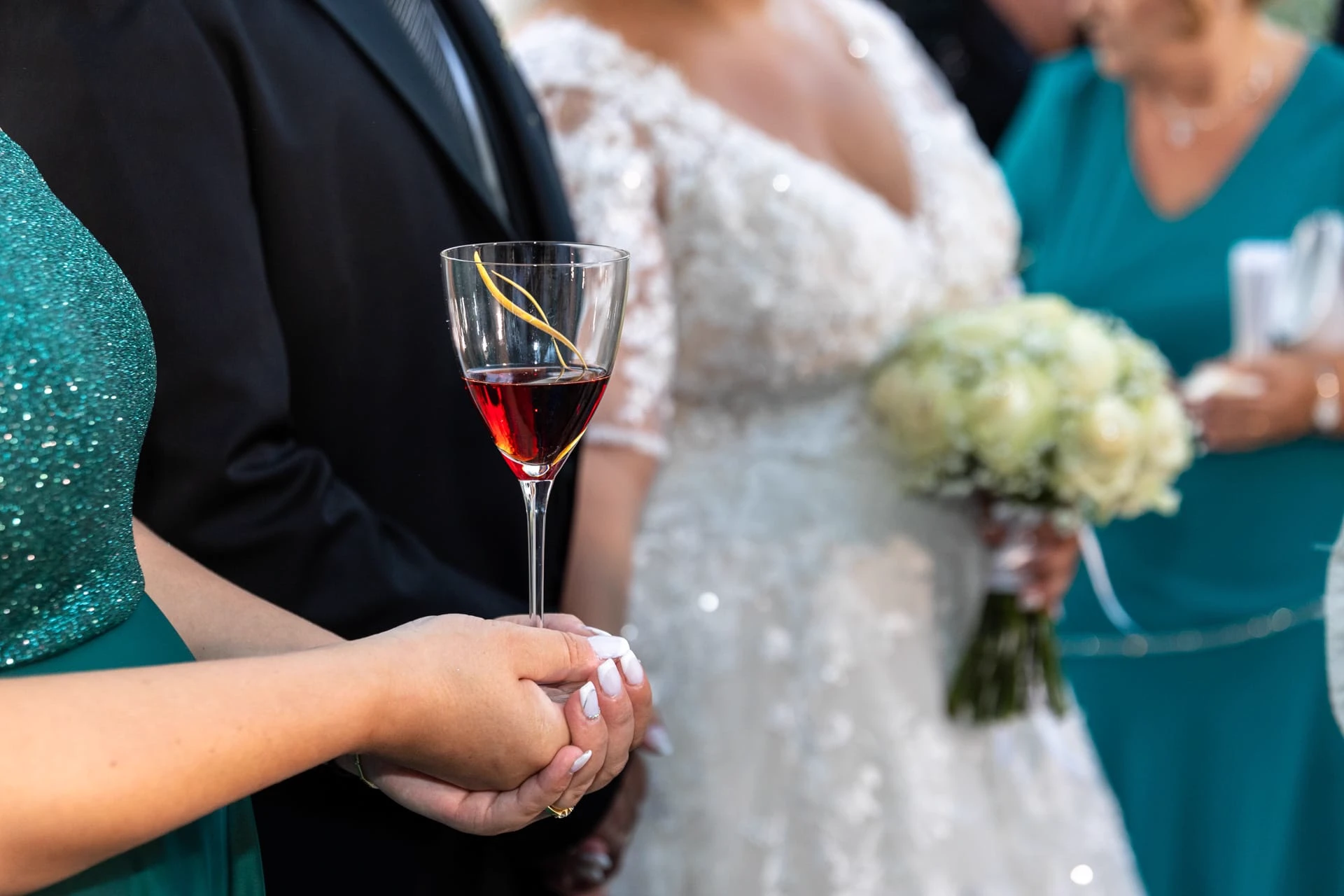
Later, the sound of rizitika songs echoed through the celebration, followed by live Cretan music, dancing and an evening that brought together generations of family and friends. It wasn’t simply entertainment; it was the continuation of traditions that are still genuinely lived today.
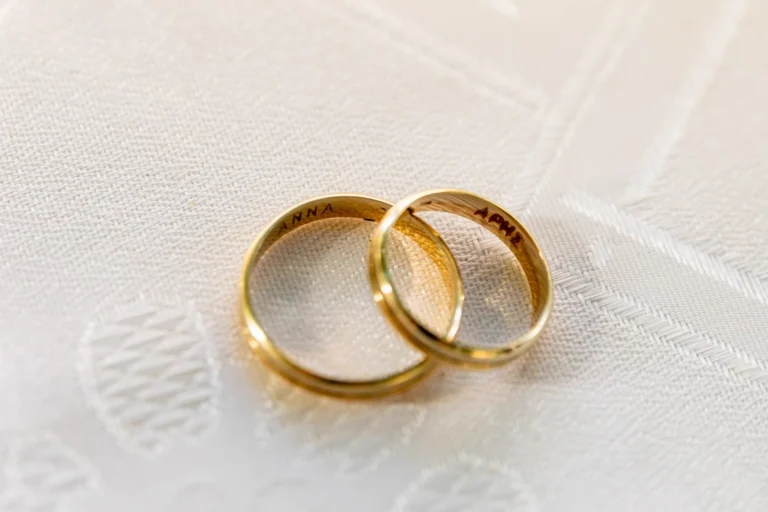
While every Orthodox wedding follows the same religious ceremony, every region of Crete has its own customs that make each celebration unique.
In villages like Vafes, weddings are not simply family events — they are community celebrations, where neighbours, relatives and lifelong friends all become part of the day. Many traditions have been passed down through generations and continue to be celebrated with genuine pride.
One of the most distinctive customs is the traditional escort of the koumbara, accompanied through the village by local men before the celebration continues. Together with the sound of rizitika songs, live Cretan music and the warm hospitality that defines village life, these moments create an atmosphere that feels deeply authentic rather than staged for visitors.
For couples travelling from abroad, experiencing a traditional Cretan wedding offers something truly special. Beyond the beautiful landscapes and historic churches, it is the people, the customs and the sense of belonging that make these celebrations so memorable.
Weddings like Anna and Aris’ are a reminder that some traditions are still lived every day — not as performances, but as a natural part of life in Crete.
If you’re dreaming of an authentic wedding in one of Crete’s traditional villages, these guides may help you plan your own celebration.
Absolutely. Vafes is one of the most authentic villages in Apokoronas, surrounded by olive groves and traditional stone houses. For couples looking for a wedding that reflects the character of Crete rather than a resort setting, it offers a unique atmosphere rooted in local history and community.
Village churches are often closely connected to family history and local traditions. For many Cretan couples, getting married in the village where they grew up or where their family comes from adds a deeply personal meaning to the ceremony.
Alongside the Orthodox ceremony itself, many village weddings include customs that have been preserved for generations, such as local musical traditions, community celebrations and regional customs unique to each area of Crete.
Rizitika are traditional songs originating from western Crete. They are usually performed without musical instruments and are closely connected to Cretan history, honour and community. Hearing Rizitika during a wedding celebration creates an atmosphere that is both emotional and uniquely Cretan.
Yes. While every wedding is personal, many international couples choose to incorporate elements of local culture—such as traditional music, Cretan cuisine or village venues—to create an authentic experience while respecting local customs.
If you’re planning your own celebration in Crete, you can explore my full work as a wedding photographer in Crete.
Planning a wedding in Chania or elsewhere in Crete?
I’d love to document your day with honesty and care.
Prefer WhatsApp? +30 694 880 4256 • contact@patsiotis.photography
Explore more: wedding photographer in Crete · elopement photographer in Crete
If you are planning your own wedding in Crete, you can explore more of my work as a wedding photographer in Crete, including intimate weddings, elopements, and full wedding stories.
Each wedding has its own rhythm, its own light, its own emotional truth.
You may also like:
Στείλε μου την ημερομηνία και λίγες λεπτομέρειες για την ημέρα σας και θα σου απαντήσω προσωπικά μέσα σε 24-48 ώρες.
Τα στοιχεία σας χρησιμοποιούνται μόνο για την επικοινωνία σχετικά με την εκδήλωσή σας.