Anna & Aris
Vafes & Kontaros, Crete
A traditional village wedding in Apokoronas shaped by family, Orthodox ceremony, music and local customs.
View Wedding StoryWedding traditions in Crete are not simply decorative details added to a celebration.
Many of them are still part of the way families experience the wedding itself — through ceremony, music, shared meals, dancing and the involvement of relatives across several generations.
Some traditions are closely connected to the Greek Orthodox ceremony.
Others come from local family customs, village life and the musical culture of the island.
And not every wedding follows the same pattern.
That is important, because Cretan wedding traditions are not a fixed checklist.
They change between families, regions and generations, while some customs remain especially strong in certain parts of the island.
Through the weddings we photograph in Crete, these traditions are most meaningful when they appear naturally as part of the day rather than being treated as a performance.
This guide looks at the customs we encounter in real weddings, what they represent in practice and how they continue to shape the atmosphere of a Cretan celebration.
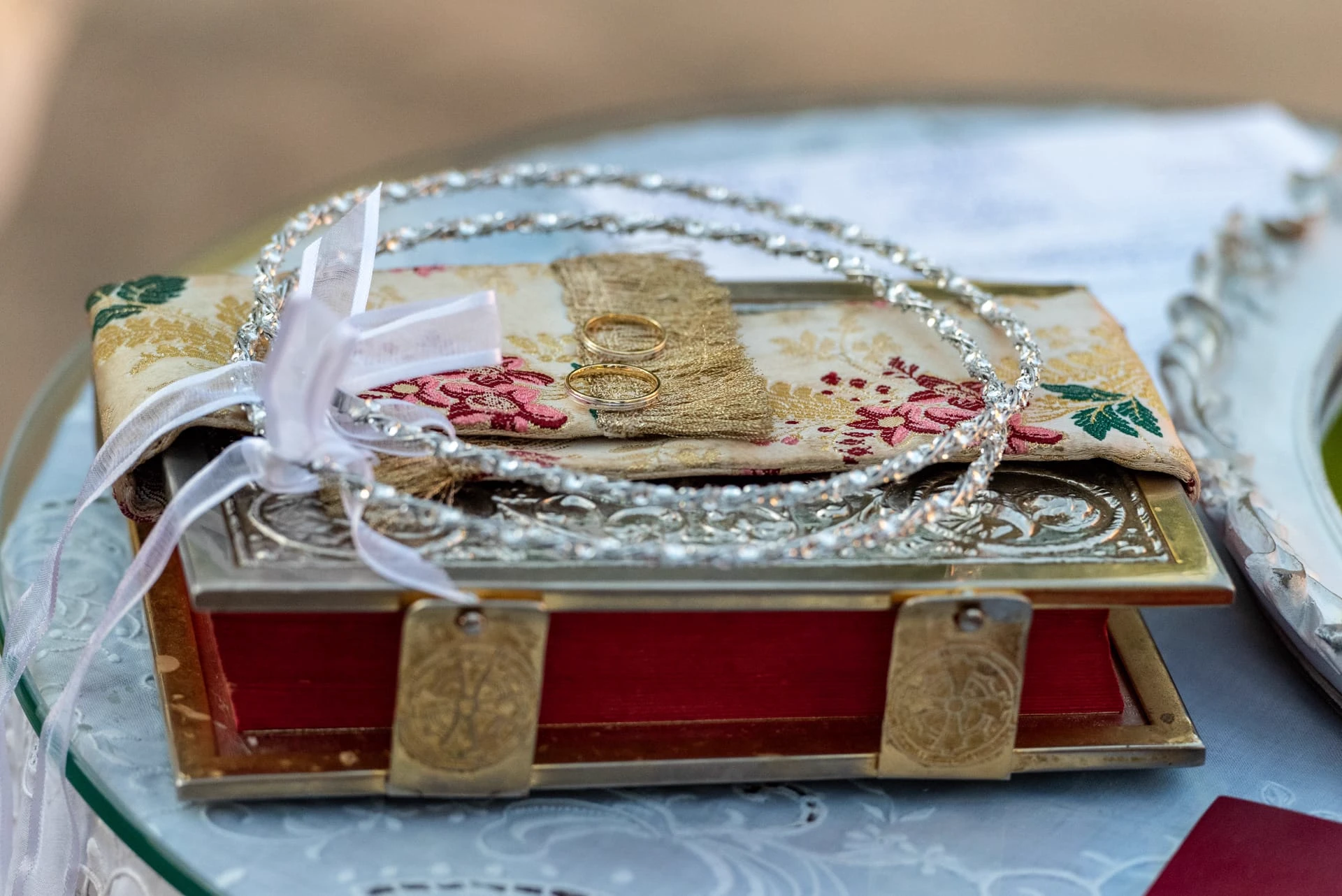
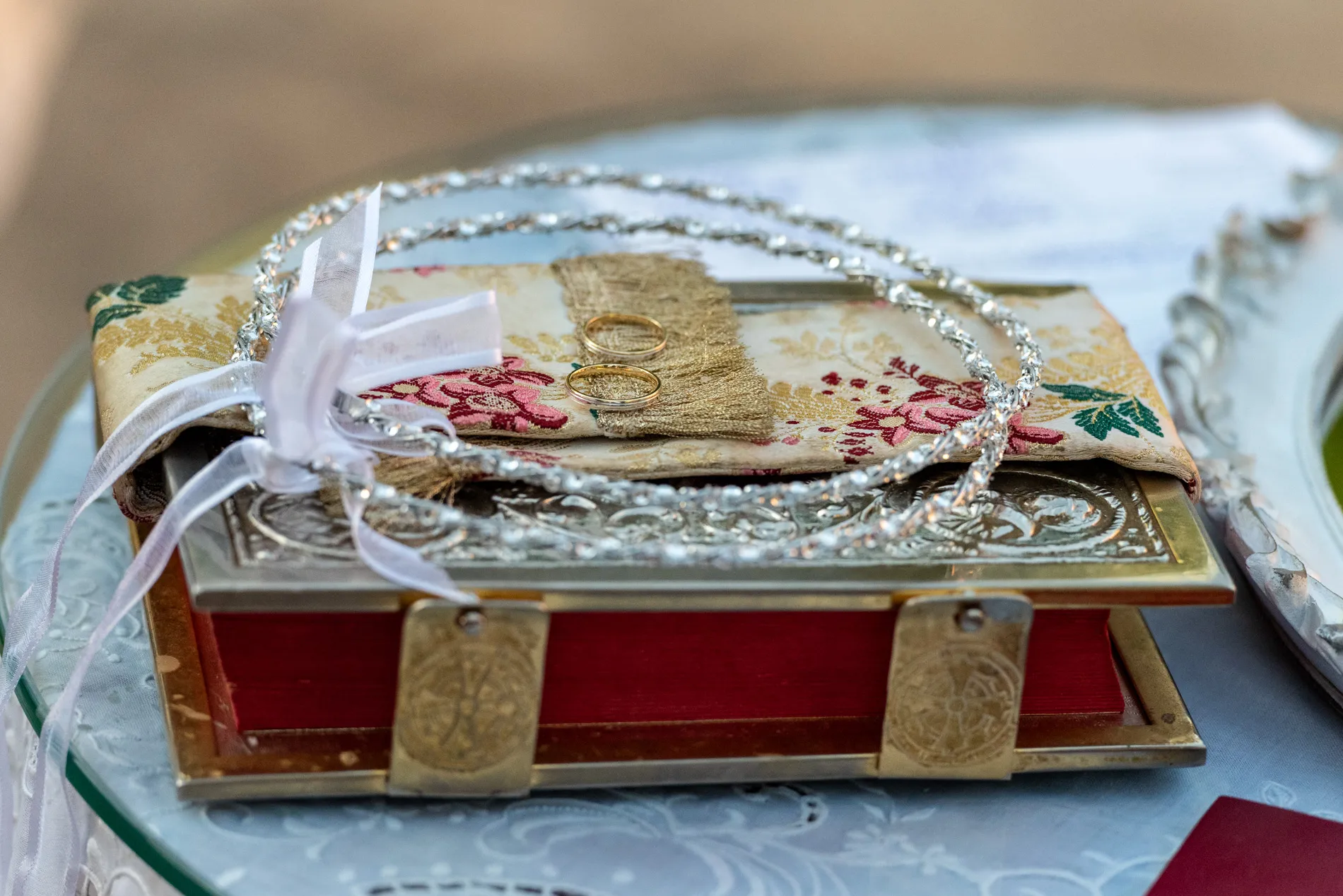
The stefana are the wedding crowns used during the Greek Orthodox marriage ceremony.
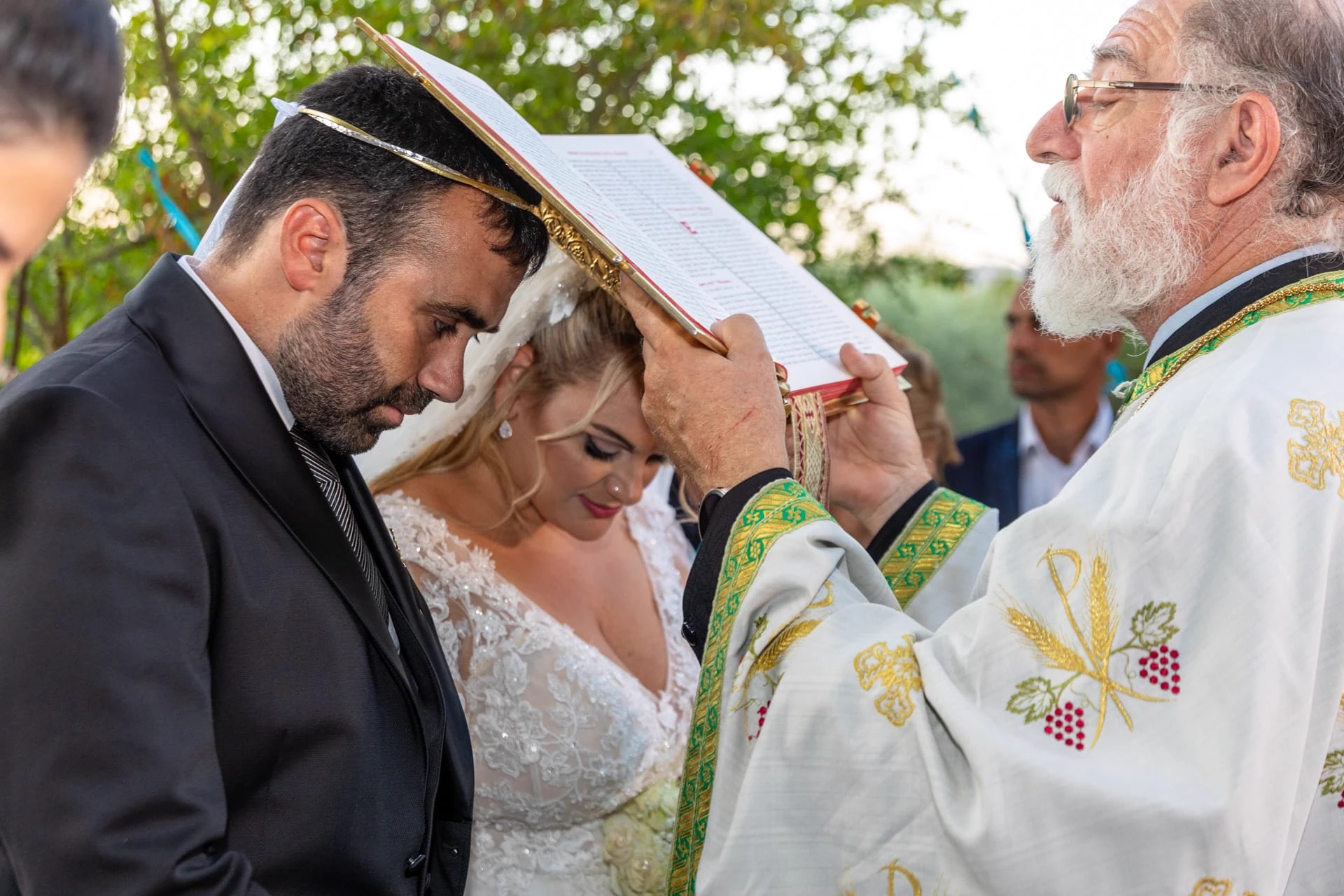
They are placed on the heads of the bride and groom during the Service of Crowning, one of the central parts of the Orthodox wedding service. In Greek practice, the two crowns are traditionally connected by a ribbon, visually reinforcing the couple’s union.
The crowning is not simply decorative.
Within the Orthodox marriage service, it marks the couple’s new life together and the establishment of a new family. The priest blesses and crowns each person before the ceremony continues with the common cup and the procession around the table.
For photography, this is one of the moments that needs to be anticipated rather than reconstructed afterwards.
The placement of the crowns, the reactions of the couple and family, and the movement that follows happen as part of the uninterrupted ceremony.
That is why understanding the sequence matters more than trying to stage a cleaner version of it later.
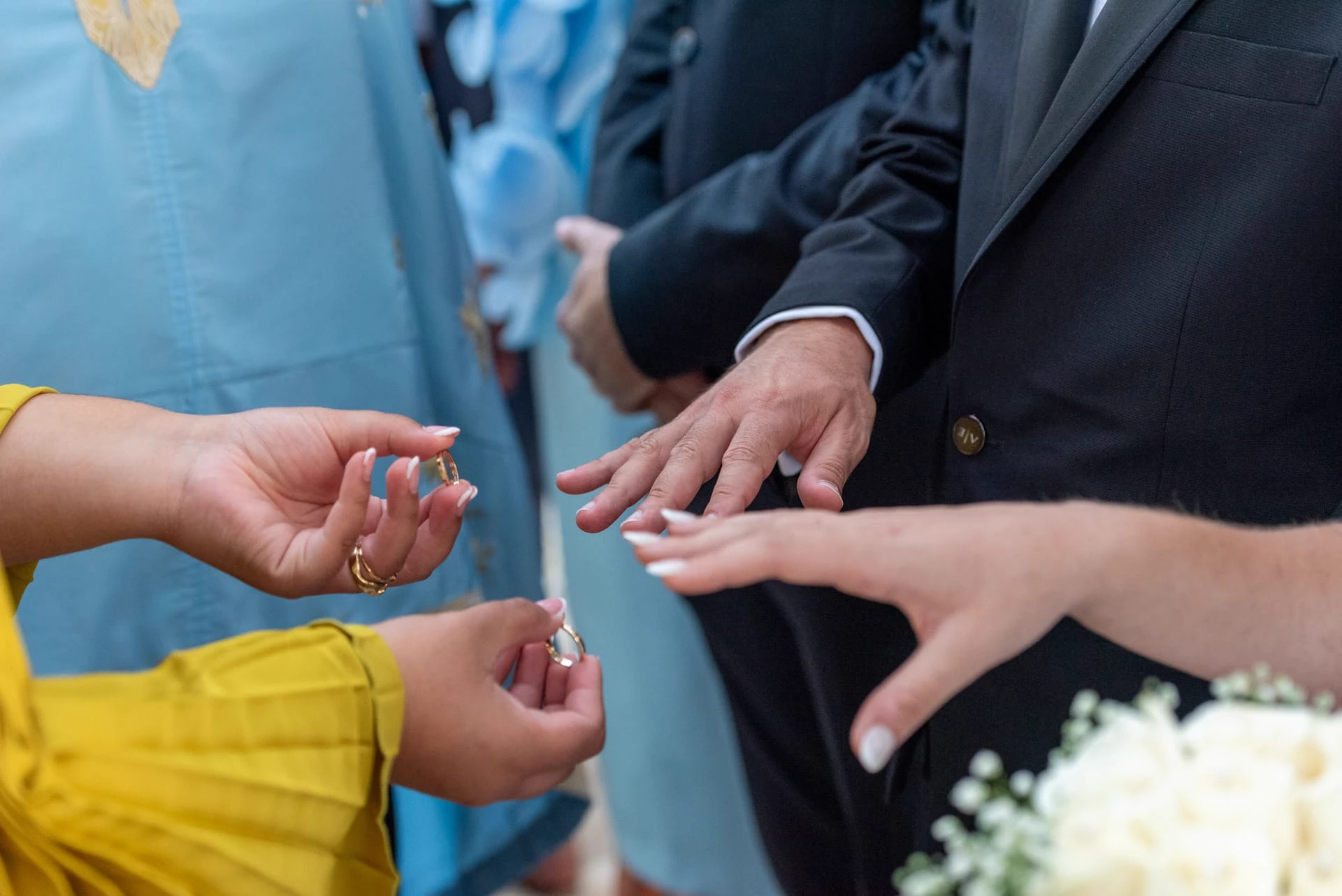
The exchange of rings belongs to the Service of Betrothal, which traditionally precedes the Service of Crowning in the Greek Orthodox wedding ceremony.
The priest blesses the rings and places them on the couple’s hands. The koumbaros then takes part in the ritual by exchanging the rings between the bride and groom, traditionally three times. This repeated exchange is part of the formal Orthodox marriage service rather than a separate family custom.
The role of the koumbaros is therefore much more significant than that of a witness or ceremonial guest.
In Greek Orthodox tradition, the koumbaros participates directly in important parts of the service, including the exchange of rings and the crowning.
From a photography perspective, this is another moment that happens quickly and with very little space for interruption.
The hands, the priest, the koumbaros and the reactions of the couple can all matter at the same time.
Knowing the sequence in advance makes it easier to document the ritual clearly without interfering with it.
After the crowning and the common cup, the priest leads the couple around the table three times in what is commonly known as the Dance of Isaiah.
The procession is part of the Orthodox marriage service itself. The priest leads while holding the Gospel, and the couple follows, with the sponsor traditionally remaining close behind them. The procession circles the table three times while hymns are sung.
This movement is significant because it marks one of the first symbolic steps the couple takes together within the marriage service.
For photography, it is also one of the most dynamic parts of the ceremony.
The couple is moving, the crowns remain part of the visual scene, the priest leads the procession, and family members often react from very close range.
Because the movement happens continuously, there is no opportunity to stop or repeat it.
The strongest photographs usually come from anticipating the direction of the procession and allowing the ritual to unfold without interference.
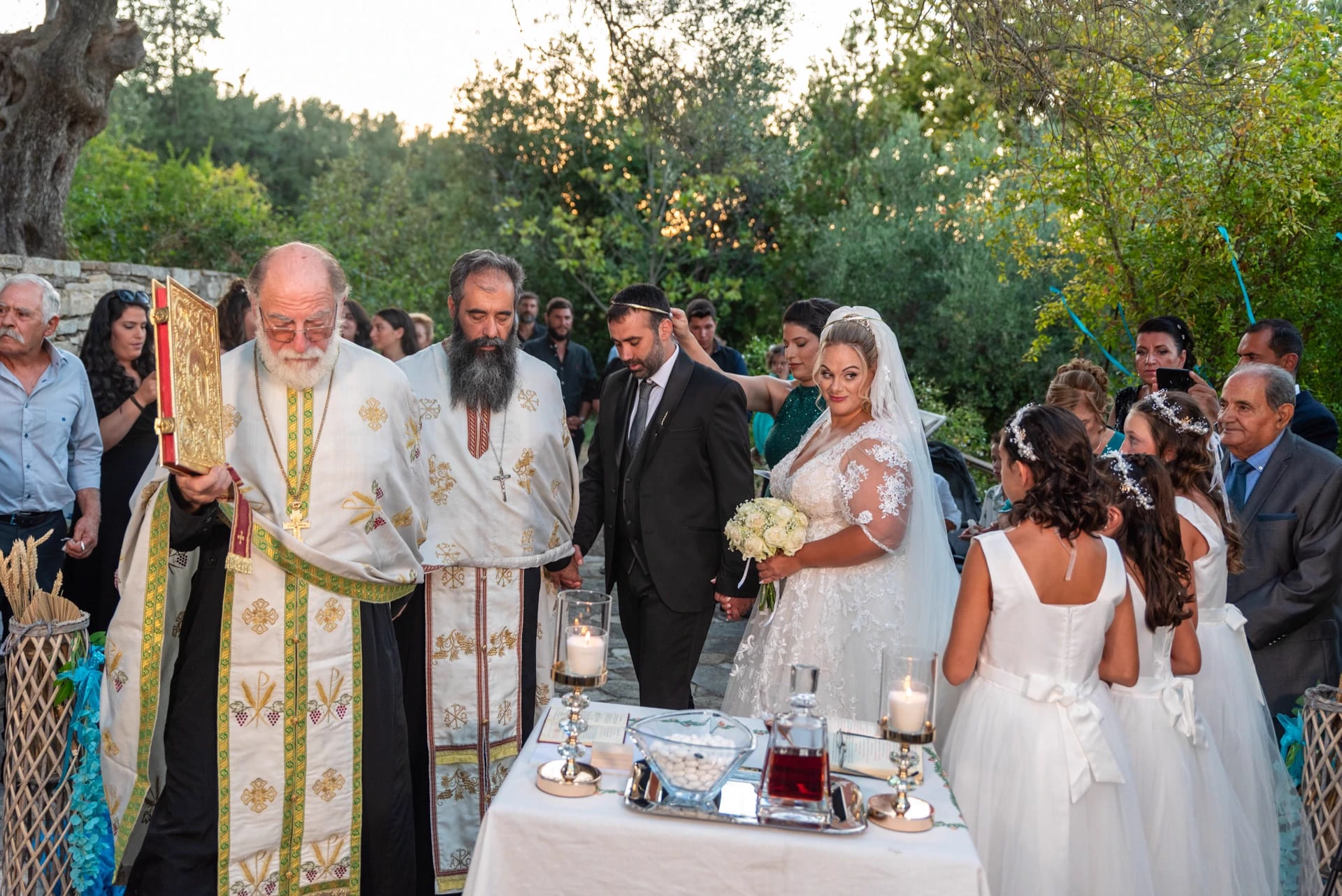
Throwing rice as the couple leaves the church is one of the most recognisable wedding customs seen in Greek Orthodox weddings, including many weddings in Crete.
The moment usually happens immediately after the ceremony, as family and guests gather around the newly married couple outside the church.
Traditionally, rice is associated with wishes for prosperity, abundance and fertility in the couple’s new life together.
In practice, it is also one of the points where the atmosphere changes very quickly.
The formal ceremony has just ended, everyone is suddenly moving, guests are cheering, and the couple is surrounded from every direction.
For photography, this is one of those moments where anticipation matters.
There is usually no second chance, and the strongest frames come from being ready for the movement, reactions and interaction rather than trying to control the scene.
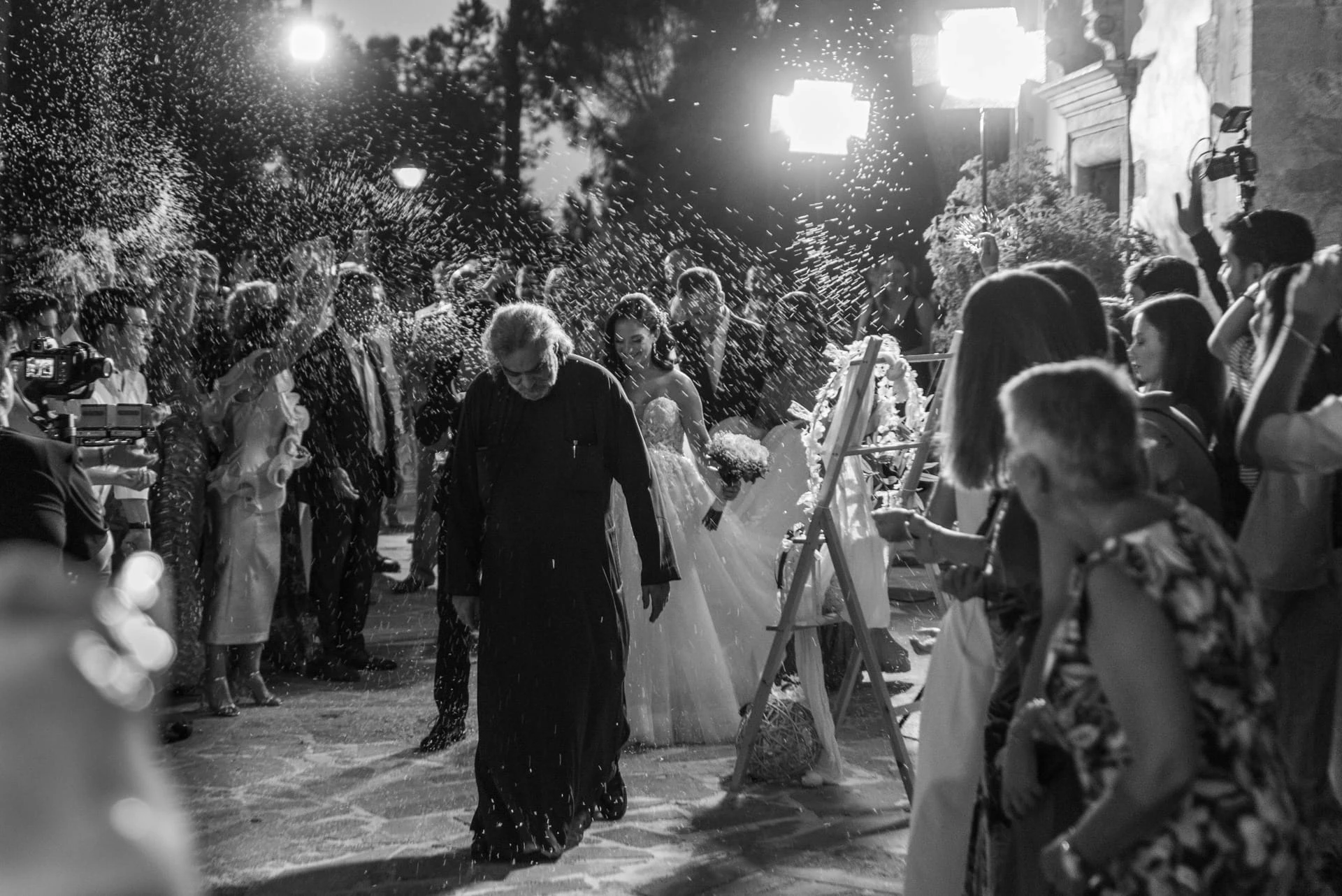
Rizitika are traditional Cretan songs with especially strong roots in western Crete and the communities around the White Mountains.
They are not simply “wedding songs”.
Historically, Rizitika belong to a broader oral musical tradition and were performed in different social and ceremonial contexts, including weddings. Within wedding traditions, different songs could accompany different stages of the celebration rather than functioning as one standard musical element.
That is important, because the meaning comes from context.
At a wedding, Rizitika can carry a strong sense of family, place and continuity between generations.
They may be sung collectively, often with little need for elaborate performance, and the emotional weight can come as much from who is singing as from the song itself.
For photography, these moments are usually less about spectacle and more about concentration, expression and connection between people.
The room or gathering may become quieter, attention shifts, and a tradition that could look visually simple can carry much more meaning than an obvious staged moment.
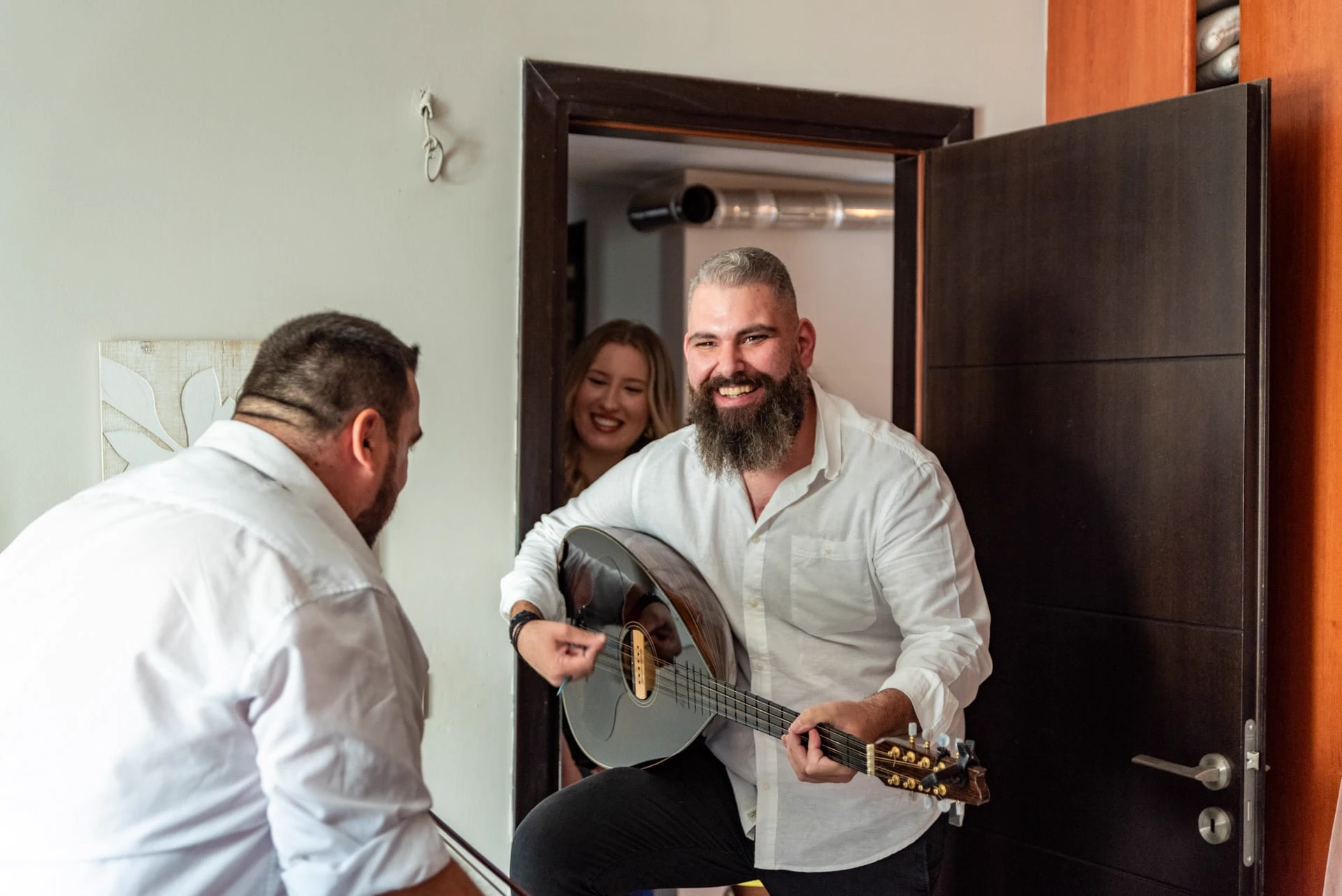
Live traditional music is a defining part of many Cretan wedding celebrations.
The most recognisable sound is often created by the Cretan lyra together with the laouto, though the exact musical setup can vary depending on the family, region and character of the wedding.
The musicians are not always limited to the reception.
They may appear during preparations, family gatherings, processions or other transitions in the day, depending on the customs being followed.
That makes live music more than entertainment.
It can help shape the pace of the celebration, bring people together and create moments of participation that are difficult to separate from the wedding itself.
For photography, these moments are especially rich because music changes how people behave.
Guests gather closer, family members react, people sing, dance and move together, and the energy of the scene can shift very quickly.
The most valuable photographs usually come from showing the interaction between musicians and the people around them, rather than treating the musicians as an isolated performance.
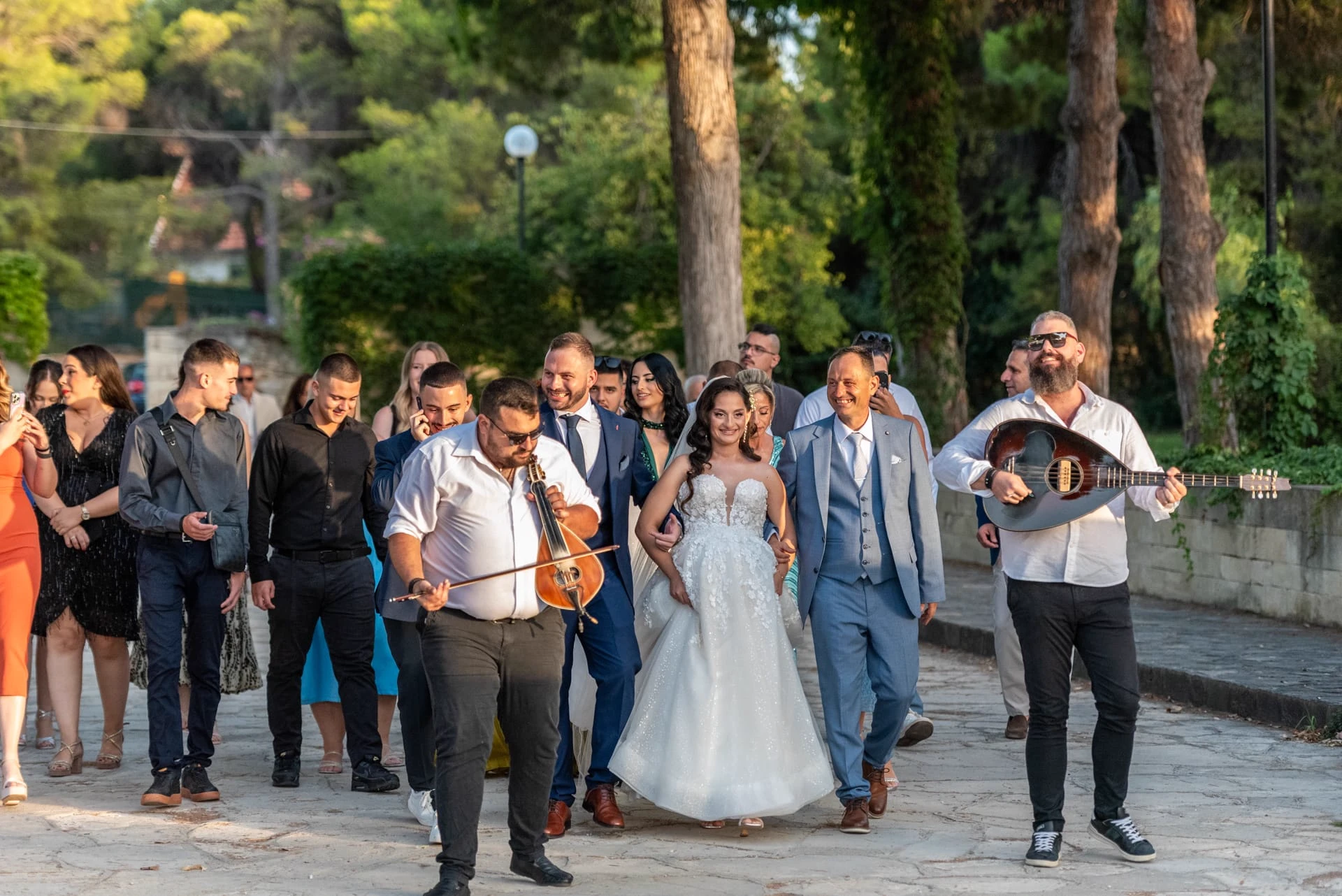
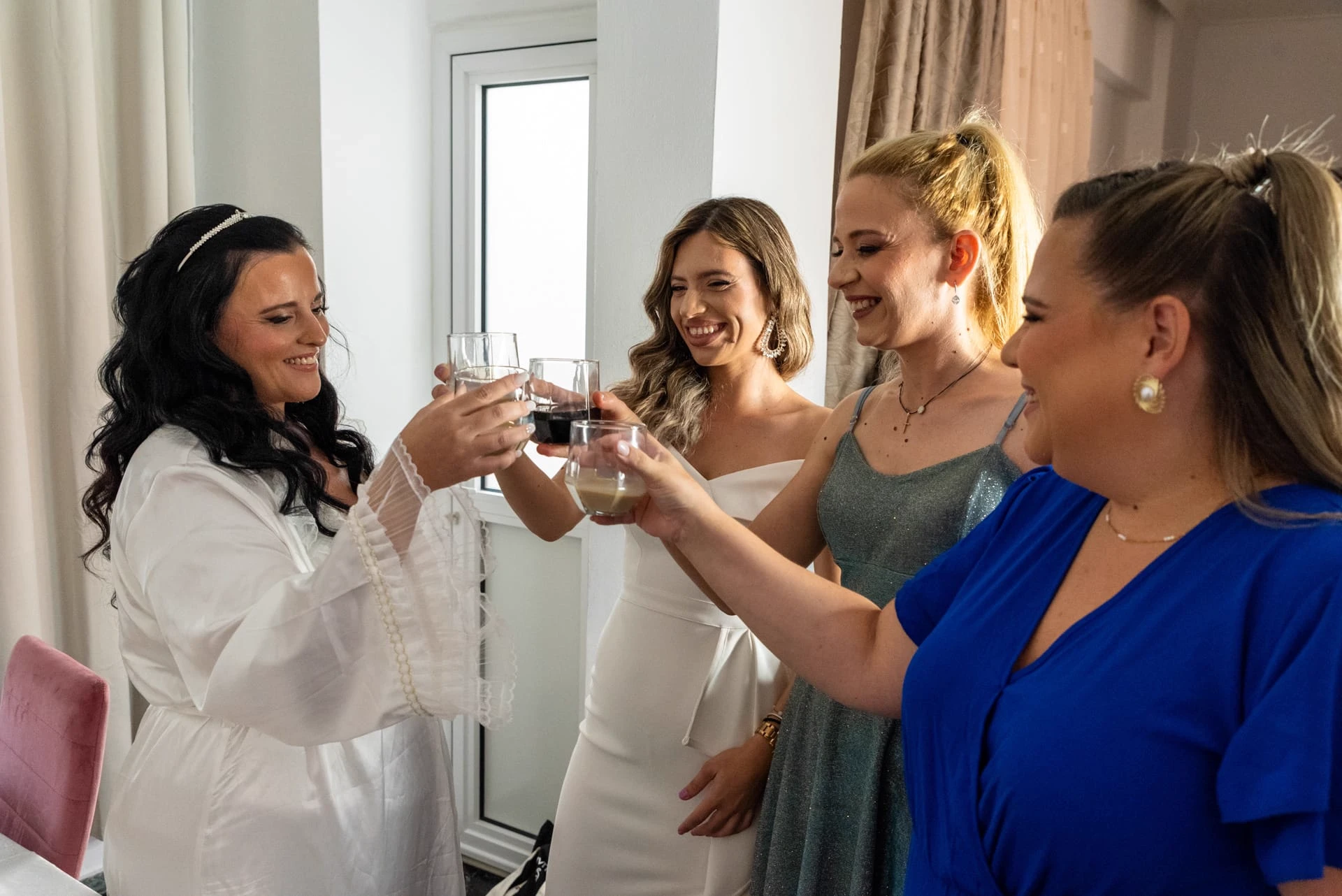
In many Cretan weddings, the preparations are not a private moment involving only the bride or groom.
They are often shared with parents, siblings, grandparents, close relatives and friends, and the atmosphere can feel more like the beginning of the celebration than a separate pre-ceremony stage.
Depending on the family, preparations may include:
These moments are important because they show how strongly the wedding is connected to family life.
They also create a different kind of photographic rhythm.
There is less emphasis on creating a perfectly controlled preparation scene and more value in watching how people interact naturally around the couple.
For photography, the most meaningful images often come from those unscripted moments — a parent helping quietly, relatives moving through the room, musicians beginning to play, or the atmosphere changing as everyone prepares to leave for the ceremony.
If you are planning the timing of preparations, ceremony and portraits, our guide to the wedding photography timeline in Crete explains how these parts of the day can fit together naturally.
Hospitality is one of the strongest social elements in many Cretan weddings.
The wedding table is not simply where guests eat. It is often where family, friends and the wider community spend a large part of the celebration together.
Shared food, repeated toasts, conversation, music and movement between tables all contribute to the atmosphere.
In more traditional celebrations, the reception may feel especially communal, with long stretches of the evening built around people eating, talking and gathering before the dancing becomes more intense.
For photography, this part of the day is important because it reveals relationships that are easy to miss if attention stays only on the couple.
Parents moving between tables, relatives greeting one another, older family members watching the celebration and spontaneous interactions between guests all help explain what the wedding actually felt like.
The strongest photographs usually come from showing the wedding table as a social space rather than treating food as a decorative detail.
Gamopilafo — literally “wedding pilaf” — is one of the dishes most strongly associated with traditional Cretan wedding tables.
It is a rice dish cooked in rich meat broth and traditionally finished with stakovoutyro, the clarified butter produced from staka. Official Greek tourism material still identifies gamopilafo as a characteristic Cretan dish, while gastronomic references specifically describe it as “wedding pilaf” and connect it with boiled goat or lamb and the use of stakovoutyro.
Its name reflects its long association with large celebrations and wedding feasts.
That does not mean every modern wedding in Crete serves gamopilafo, nor that the wedding menu follows one fixed traditional format.
Menus today vary widely between families, regions, venues and the style of the celebration.
What remains important is the role food plays in Cretan hospitality.
At more traditional weddings, dishes such as gamopilafo are part of a larger shared table rather than a decorative “local touch” added for visitors.
For photography, the food itself is usually less important than the social context around it: tables filling with guests, dishes being shared, relatives moving between groups and the transition from the meal into music and dancing.
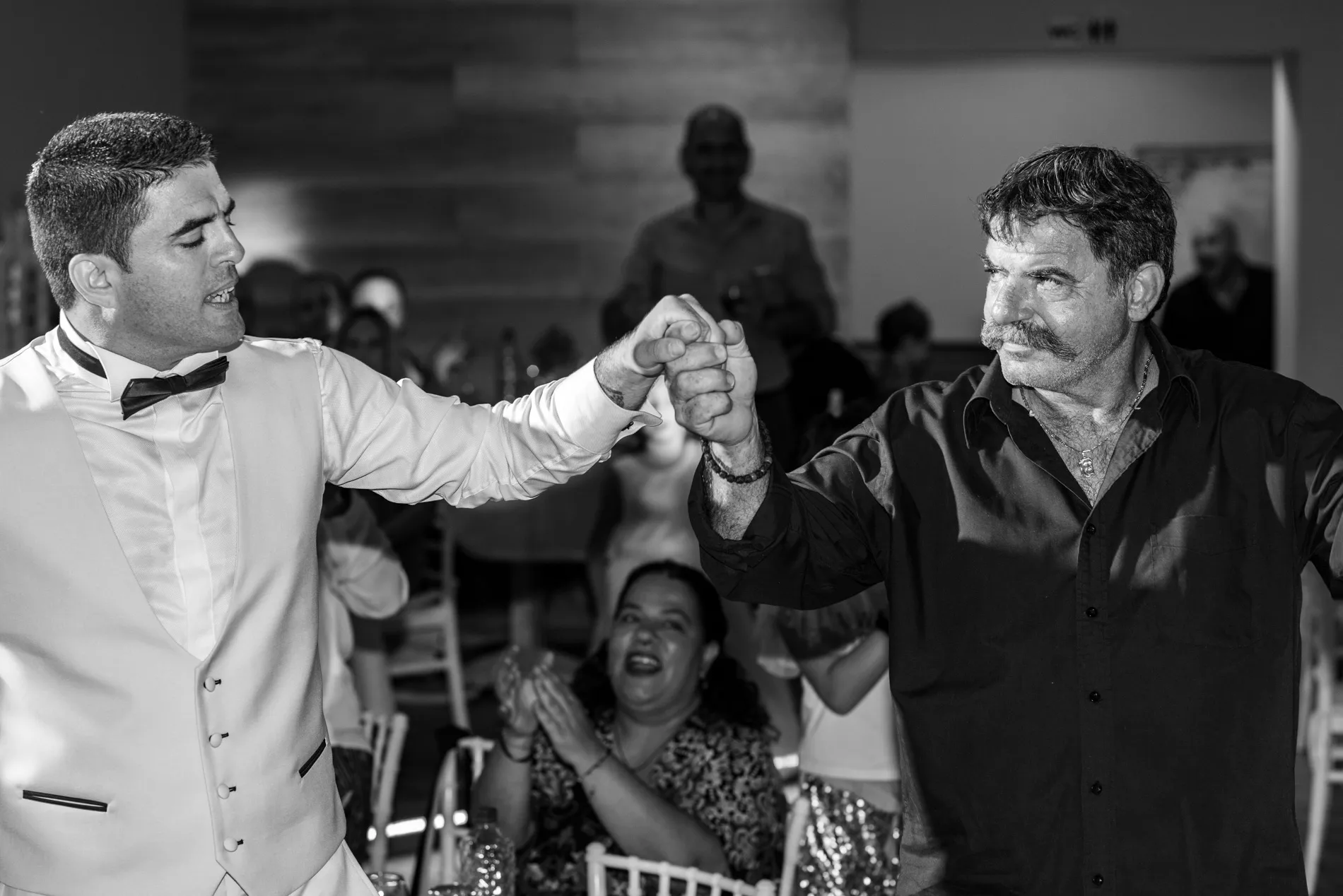
Traditional dancing is one of the clearest expressions of participation in a Cretan wedding.
The dance floor is not only a space for the couple.
Family members, friends and different generations often take part together, creating a strong sense of continuity between the formal parts of the wedding and the celebration that follows.
Depending on the family and region, traditional Cretan dances may appear alongside more contemporary music rather than replacing it completely.
What makes these moments important is not simply the choreography.
It is the way people join in, encourage one another and create a shared rhythm around the couple.
For photography, these scenes are especially dynamic.
People move quickly, circles form and break, reactions happen around the edges of the dance floor, and some of the strongest moments come from the interaction between generations rather than from the couple alone.
The goal is not to direct the dancing.
It is to understand the flow well enough to stay close to the action and preserve the energy without interrupting it.
Cretan wedding traditions are not identical across the island.
The way a wedding is celebrated can vary between regions, villages and individual families.
Some customs may be strongly preserved in one area and barely present in another. The same is true of music, preparation rituals, food traditions and the way relatives or the local community participate in the day.
Family history matters as much as geography.
Two weddings in neighbouring villages can still feel very different because each family may preserve its own habits, expectations and traditions.
That is why it is risky to describe Cretan weddings as if there were one fixed set of rules followed everywhere.
The more accurate approach is to see these customs as living traditions — shaped by place, family and generation, and changing over time.
For photography, this means we cannot assume that a tradition will appear simply because we have seen it at another wedding.
The important thing is to understand the specific family and celebration in front of us and recognise which moments actually carry meaning there.
Some Cretan wedding traditions remain very visible today, while others appear less consistently or only within particular families and regions.
The customs we still encounter most often tend to be those that are closely connected to the Orthodox ceremony and to the social structure of the celebration itself.
These can include:
Other traditions, such as Rizitika or more specific village and family customs, may appear only when they are genuinely part of that family’s background.
That distinction is important.
A tradition does not need to appear at every wedding in order to remain culturally meaningful.
Modern Cretan weddings often combine older customs with contemporary elements, creating celebrations that are traditional in some parts of the day and modern in others.
The strongest weddings are usually not the ones trying to include the greatest number of traditions.
They are the ones where the customs that do appear still have meaning for the people involved.
Wedding traditions often happen quickly and without warning.
A ring exchange, the crowning, a song beginning, a family member stepping forward or a circle forming on the dance floor can all become important within seconds.
That means photographing these weddings is less about creating the moment and more about recognising it early enough.
Understanding the structure of the ceremony helps.
So does knowing when musicians, relatives or family customs are likely to become part of the day.
But anticipation should never turn into staging.
The value of these traditions comes from the fact that they belong naturally to the people involved.
From a documentary photography perspective, the priority is to stay close to the action, read the relationships around the couple and preserve both the obvious ritual and the quieter reactions happening beside it.
That is what helps the final photographs show not only what happened, but why the moment mattered.
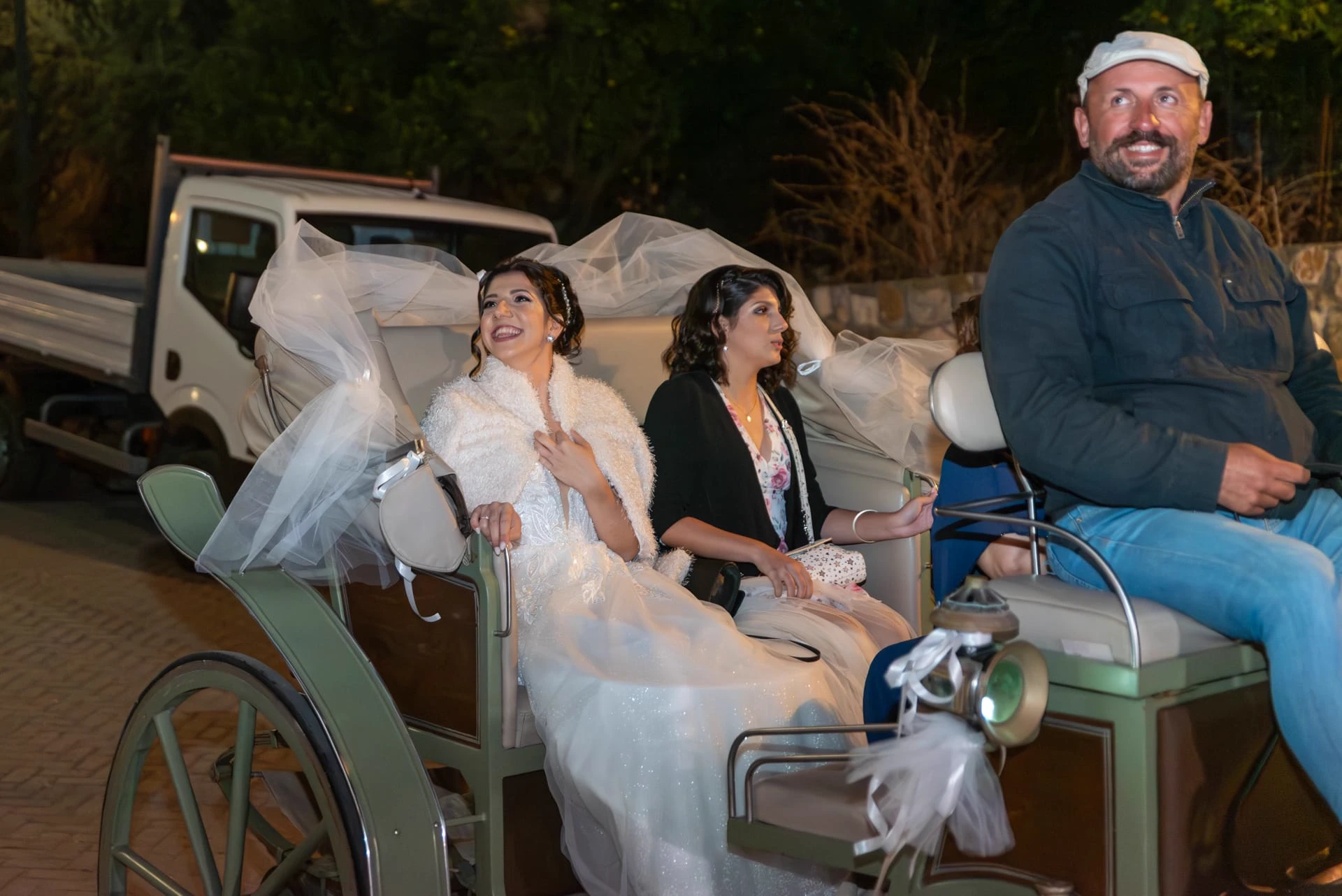
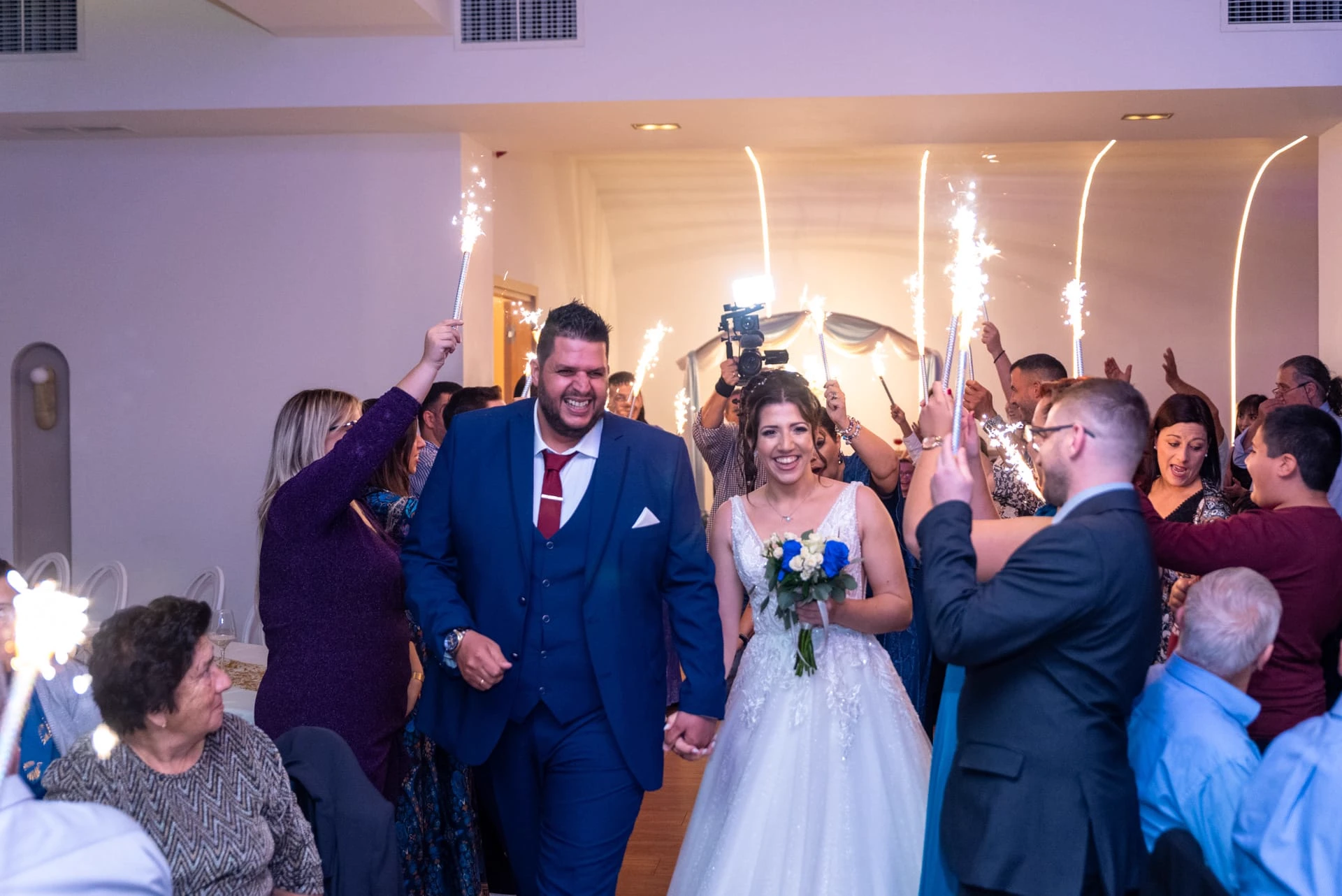
The traditions described above become more meaningful when they are seen within real weddings. These three celebrations show how Orthodox ritual, family involvement, village life and traditional Cretan music can appear in different ways rather than following one fixed formula.
Vafes & Kontaros, Crete
A traditional village wedding in Apokoronas shaped by family, Orthodox ceremony, music and local customs.
View Wedding Story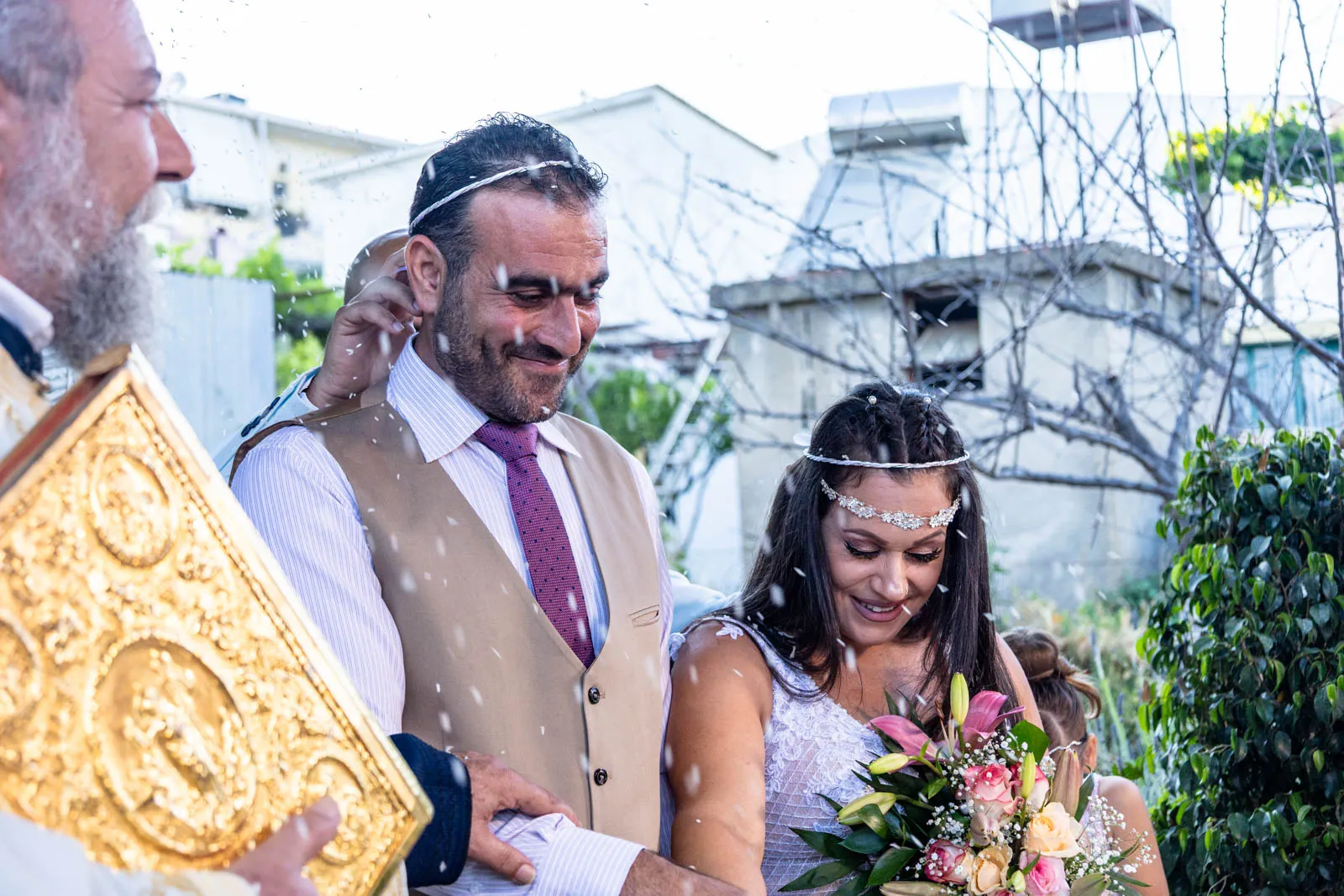
Chryssavgi, Crete
A traditional wedding in Chryssavgi with strong family participation, Orthodox ceremony and a distinctly local character.
View Wedding Story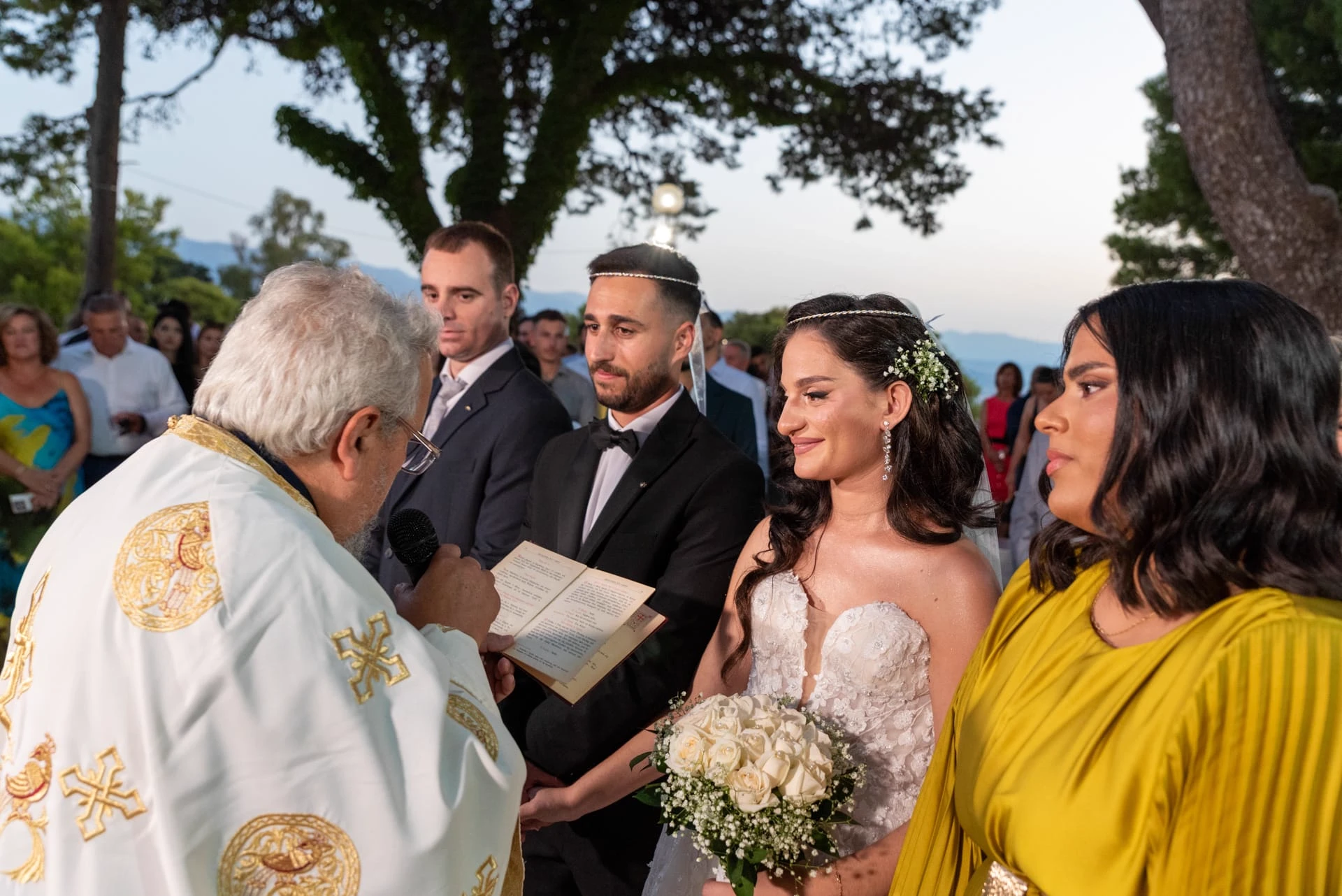
Profitis Ilias, Chania
A family-centred wedding in Chania where traditional Cretan musicians accompanied the preparations and the bride’s walk to the church.
View Wedding StoryThe stefana are the wedding crowns used during the Greek Orthodox marriage ceremony. They are placed on the couple during the Service of Crowning and are traditionally connected by a ribbon, symbolising the couple’s union.
The koumbaros has an active ceremonial role in the Greek Orthodox wedding service. Traditionally, the koumbaros takes part in the exchange of rings and the crowning, rather than acting only as a witness or honorary guest.
Rice throwing is a common custom associated with wishes for prosperity, abundance and fertility for the newly married couple. In practice, it also marks the transition from the formal ceremony into celebration.
Rizitika are a traditional form of Cretan vocal music associated particularly with western Crete and the villages around the White Mountains.
Historically, they have had an important role in weddings and other communal celebrations.
Different Rizitika repertoires were traditionally connected with different parts of wedding rituals, including songs performed at the table and songs associated with processions and other stages of the wedding.
They should therefore not be described simply as generic “wedding songs”, and they are not necessarily part of every modern Cretan wedding.
Yes, especially in weddings with a strong local, family or village character. Traditional musicians may appear during preparations, processions, family gatherings or the reception, depending on the family and area.
Gamopilafo means “wedding pilaf”. It is a traditional Cretan rice dish cooked in rich meat broth and is strongly associated with large celebrations and wedding feasts. It is not served at every modern wedding.
No. Customs vary between regions, villages and families. Some traditions are widespread, while others are more strongly preserved in particular areas or within specific families.
Yes, but it is more accurate to say they can incorporate elements of Cretan culture and tradition. Live music, local food or other regional details can be included respectfully without presenting the wedding as a traditional local family wedding.
If you are planning a wedding in Crete and want the day documented naturally, the first step is simply to share what you already know.
Your date, locations, ceremony type and the general structure of the celebration are enough to begin.
From there, we can help you understand what photography or photography + film coverage fits the day, without forcing the wedding into a rigid formula.
Prefer WhatsApp? +30 694 880 4256 • panagiotis@patsiotis.photography